Macron Reaches Out to Lukashenko for the First Time Since 2022

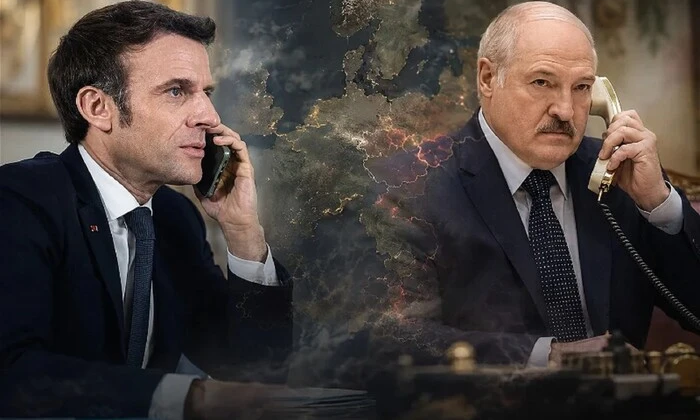
French and Belarusian Presidents Hold Phone Conversation
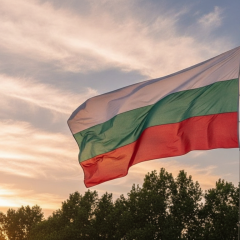
According to Главком: On May 24, French President Emmanuel Macron spoke by phone with Belarusian self-proclaimed leader Alexander Lukashenko, marking their first direct contact in over two years. The call was initiated by the French side. According to a pro-government Belarusian media outlet, the discussion covered regional challenges and the state of Belarus’s relations with the European Union, particularly with France.
This exchange came just days after Russia and Belarus concluded joint military drills involving tactical nuclear weapons on May 21. During those exercises, Russian forces transported nuclear warheads into Belarusian territory. Belarusian units practiced receiving, equipping, and moving specialized munitions and launchers for Iskander-M missile systems. Notably, in 2022, the Lukashenko regime amended Belarus’s constitution, renouncing the country’s non-nuclear status.
Regional Tensions and EU Response
Against this backdrop, the European Union does not view Belarus as a potential mediator in future talks to end the war in Ukraine. Back in February 2022, Western officials feared that Lukashenko, under Kremlin pressure, might commit Belarusian troops to the conflict. The EU has also expressed concern about the possible deployment of Russian nuclear weapons on Belarusian soil. The Institute for the Study of War has reported that Moscow’s de facto control over Belarus is tightening, with its territory being increasingly used to support Russian military objectives.
Additionally, Vladimir Putin has announced new joint exercises called 'Shield of the Union,' scheduled for 2027, which could for the first time include a nuclear component. As a result, the regional situation remains tense, and the phone call between the two presidents underscores the importance of maintaining dialogue amid these ongoing challenges.
This conversation may reflect France’s efforts to keep communication channels open with Belarus, despite Minsk’s close ties to Moscow. At the same time, given the growing military activity in the region and the possibility of deeper Belarusian involvement in the Ukraine conflict, it is crucial to monitor developments and the international community’s response to Minsk’s actions. While relations between France and Belarus are likely to stay strained, such talks could prove key to reducing tensions in the area.
Given the recent phone conversation between Macron and Lukashenko, it's important to consider the broader implications for regional dynamics. The exclusion of Belarus from discussions regarding Ukraine highlights the EU's stance on the Lukashenko regime and its alignment with Russian interests, further complicating any potential mediation efforts in the ongoing conflict.

Read also