Widespread European Protests Erupt Over Education, Living Costs, and Low Wages Amid Clashes and Ongoing Demonstrations

Root Causes Behind the Surge of European Protests
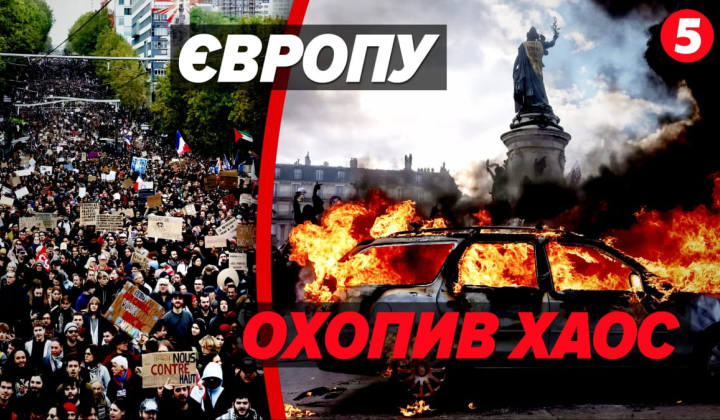
According to 5 канал: Starting in September 2023, Europe witnessed a wave of large-scale protests sparked by mounting concerns over education, soaring living expenses, stagnant wages, and broader socio-economic challenges. Countries including France, Italy, Spain, Portugal, and Albania have all seen significant public unrest. These demonstrations have frequently escalated into confrontations with police, accompanied by acts of vandalism, arson, and property damage. Authorities have largely remained silent, while protesters continue to organize fresh rallies and strikes.
Country-by-Country Overview of the Unrest
In France, more than 400,000 people took to the streets. Parisian police responded with tear gas and water cannons against demonstrators. In Marseille, protesters set fire to trash bins, blocked roads, and looted stores, including jewelry shops. To prevent further destruction, authorities closed museums, metro stations, and retail outlets in Paris. Nationwide student protests engulfed over 1,200 high schools, leading to the detention of upwards of 5,000 individuals. Clashes resulted in serious injuries among some demonstrators, such as traumatic brain injuries, eye damage, and knocked-out teeth. France's Interior Minister Laurent Nunez condemned the violence as unacceptable and urged protesters to maintain public order.
- In Italy, demonstrations took place in major cities like Milan, Rome, Turin, Naples, Bologna, and Florence.
- Rome police arrested nine individuals and detained more than 370 protesters.
- Approximately 25,000 people marched in Madrid, Spain, demanding pensions that keep pace with inflation.
- In Portugal, the focus has been on the demand for affordable housing amid rapidly rising property and rental prices.
- Albanian protests escalated into attacks on government buildings in Tirana, where police also deployed tear gas.
- In Brussels, demonstrators rallied against education issues and cuts to funding.
The protests, which began gaining momentum in September, spread to additional European countries by October. Participants express frustration with governments’ failure to address their grievances. One protester remarked:
'This is mainly about students and teachers who lack resources. We feel completely ignored, as if no one is listening to us at all. That’s why we’re here. We hope our voices will finally be heard and that things will improve, even just a little.'
Another participant emphasized the critical role of education:
'Education is vital for citizens, especially our youth-the future of the country-as well as for our own lives, which have become too expensive for us to afford.'
These demonstrations reveal growing public dissatisfaction and a demand for meaningful action to improve living conditions. As one protester put it: 'The cost of living is more than just words-it represents the collapse of the West and democratic systems that are under threat.' Protesters insist on being heard, stressing that young people have a responsibility to fight for their future.
The widespread unrest across Europe highlights deep socio-economic issues requiring urgent attention. Citizens, particularly younger generations, are voicing their discontent and calling on governments to respond effectively to prevent further social tensions. These protests reflect a pan-European movement toward greater civic engagement aimed at securing justice and better living standards.
The escalating tensions in France have drawn significant attention to the government's response, particularly in light of Macron's decision to reject the resignation of his Interior Minister. This move underscores the challenges the administration faces in managing public discontent, which has only intensified amid ongoing protests across Europe. As the situation develops, the implications for governance and public policy remain critical for understanding the broader unrest in the region.

Read also