What to Know About the 'No Kings' Protests Against Trump's Agenda

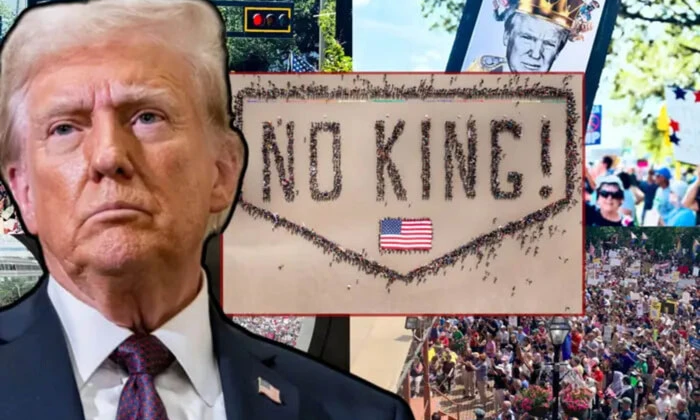
Major 'No Kings' Demonstrations Planned
According to Главком: Large-scale protests under the banner 'No Kings' are scheduled for March 28th in opposition to the policies of Donald Trump. This decentralized movement, lacking a single leader, unites a diverse coalition of organizations, signaling broad-based public support and discontent. Demonstrations are planned across the United States and in at least 15 other countries, with over 3,100 separate actions expected.
The coalition brings together dozens of groups, including Indivisible, 50501, and MoveOn, alongside hundreds of labor unions, human rights organizations, and community groups. The protests will focus on a wide array of issues, such as:
- Immigration policy
- The actions of Immigration and Customs Enforcement (ICE)
- Environmental concerns
- Election security
- Potential conflicts with Iran
A previous mobilization last fall drew an estimated 7 million participants, demonstrating the movement's significant capacity for public engagement. This level of grassroots organizing reflects a growing trend of political activism in response to the current administration.
"The name 'No Kings' is itself a demand and a declaration of intent to return power to the people." - Hunter Dunn
Organizers with the No Kings movement emphasize that their effort is not a sprint or a marathon, but a relay race, underscoring their commitment to a prolonged struggle for change. The March 28th protests represent a crucial leg of this relay, aiming to spotlight the multitude of issues concerning citizens.
Consequently, the 'No Kings' actions are poised to be a major social phenomenon, addressing a broad spectrum of topics relevant to many Americans and people worldwide. These protests highlight the increasing political mobilization within civil society, which may signal shifting public sentiments and a drive for reform. Given the wide range of grievances, these demonstrations could serve as a significant indicator of evolving political climates both within the United States and beyond its borders.

Read also