New York Mayor Skips Private Meeting with King Charles Over Koh-i-Noor Diamond Dispute

Snubbing the King
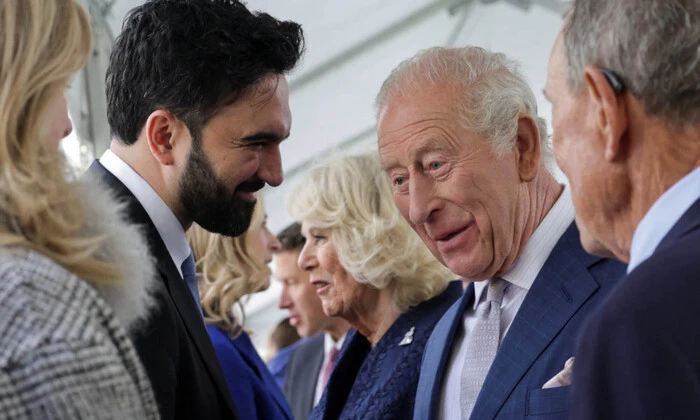
According to Главком: New York City Mayor Zohran Mamdani chose not to attend a private meeting with Britain's King Charles III during the monarch's visit to the United States. Instead, Mamdani only took part in a public ceremony commemorating the victims of the September 11 attacks. The decision stemmed from criticism of the British monarchy regarding the Koh-i-Noor diamond, sparking widespread debate.
At the event, Mamdani and King Charles had a brief exchange and shook hands. The mayor made his stance on the diamond clear, stating that 'if a private meeting had taken place, I would have urged the king to return this precious stone.' Weighing 105.6 carats, the Koh-i-Noor diamond is part of the British Crown Jewels and is housed in the Tower of London.
The Koh-i-Noor's History
What is known about the Koh-i-Noor diamond? The rough gem from which it was cut was likely discovered in India around 1200. Its name comes from Persian and means 'Mountain of Light.' In 1849, the diamond came under British imperial control after the annexation of Punjab; under the Treaty of Lahore, it was handed over to Queen Victoria. Punjab's ruler at the time, Duleep Singh, was a minor.
The Koh-i-Noor adorned the crown of Mary of Teck in 1911, but during the 2023 coronation of Queen Consort Camilla, the diamond was not used due to concerns over potential backlash in India. This issue remains relevant, as debates over the diamond's history and ownership continue.
The mayor's refusal of a private audience with Britain's king highlights growing scrutiny over the repatriation of cultural artifacts taken from their countries of origin. The Koh-i-Noor diamond symbolizes this controversy, with its ownership disputed between Britain and India. In an era of globalization and calls for historical justice, stances like Mamdani's underscore the importance of addressing historical wrongs and cultural heritage.

Read also