Ukraine's Defense Ministry Tests New Bomber Drones, Signaling a Frontline Shift

Ukraine Conducts Trials of New Bomber Drones
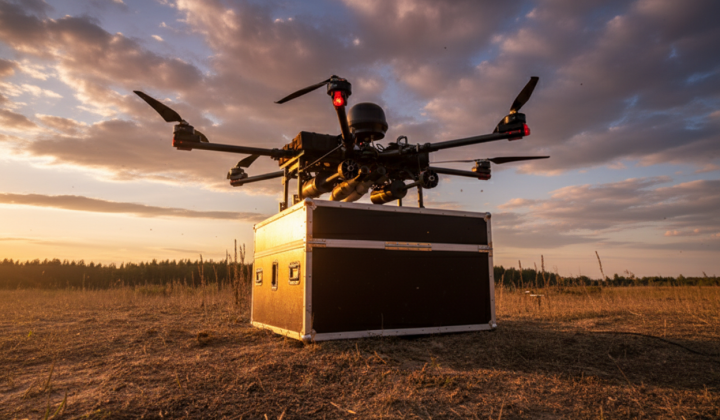
According to Главком: In a collaborative effort with the Brave1 defense cluster, Ukraine's Ministry of Defense has successfully tested a new generation of domestically produced bomber drones. The trials involved 18 teams rigorously evaluating the drones' capabilities under various conditions. Each aircraft was assessed for its resilience against electronic warfare, target engagement accuracy, and its ability to return to base. According to Mykhailo Fedorov, this new generation of bombers offers greater range, increased payload capacity, secure communications, and the capability to be controlled from safer positions. This development is part of Ukraine's broader strategy to counter Russia's significant advantage in artillery and airpower.
Experimental Project and Initial Outcomes
Alongside the drone tests, an experimental project to involve the private sector in air defense has been launched in Ukraine. The first results of this initiative are already visible, with several enemy drones shot down in the Kharkiv region. Concurrently, new air defense groups are being formed at 13 additional enterprises that have received authorized economic operator status from the Ministry of Defense. Some of these groups are already performing combat missions, while others are undergoing or completing training.
Ukraine's defense forces continue their active campaign against enemy drones. In February alone, they intercepted and destroyed over 10,000 enemy fixed-wing drones, including Shahed and Gerbera models, using interceptor drones. The new bomber drones undergoing testing come with distinct capabilities:
- Small, fast, and agile bombers can carry several kilograms of payload and are effective against infantry and light vehicles;
- Heavy bombers can carry payloads of tens of kilograms, designed to destroy heavy equipment, fortifications, and perform logistical missions.
The technological features of these new drones include enhanced resistance to electronic warfare, as they are equipped with new secure communication systems. Their payload capacity and versatility allow them to carry various types of munitions, from shaped-charge to high-explosive fragmentation warheads. Furthermore, developers have integrated artificial intelligence elements for target acquisition, which increases the drones' operational effectiveness in combat conditions.
The testing of these new bomber drones underscores the active development of Ukraine's domestic defense industry and the country's determination to strengthen its capabilities against aerial threats. As hostile drones remain a persistent danger, efforts to improve air defense technology and integrate the private sector could significantly enhance the protection of Ukraine's airspace. This initiative may also help attract investment for the development of new technologies within the country.
As Ukraine enhances its aerial capabilities with new bomber drones, the role of private sector involvement in air defense becomes increasingly significant. Recent reports highlight how private air defense units are now operational on the front lines, showcasing the collaborative efforts between government and businesses to effectively counter drone threats. This synergy is crucial as Ukraine continues to adapt its strategies in the face of ongoing challenges.

Read also