Ukrainian Skeleton Athlete Vladyslav Heraskevych Barred from 2026 Olympics Over Helmet Dispute

Vladyslav Heraskevych's Olympic Disqualification
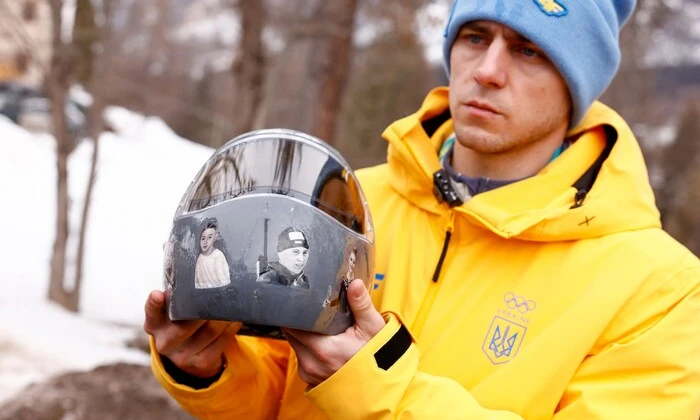
According to Главком: The International Olympic Committee (IOC) has disqualified Ukrainian skeleton athlete Vladyslav Heraskevych from the 2026 Winter Olympics. The decision, upheld by a jury from the International Bobsleigh and Skeleton Federation (IBSF), was due to his use of a helmet that did not comply with regulations. Consequently, the IOC revoked Heraskevych's accreditation, barring him from competition.
In a final statement, the IOC noted that despite multiple discussions and personal meetings, including one with IOC President Kirsty Coventry, Heraskevych showed no willingness to compromise. His refusal to adhere to the IOC's Guidelines on athlete expression directly led to this outcome.
Vladyslav Heraskevych's Response
European Parliament Vice President Pina Picierno expressed solidarity with the Ukrainian athlete, stating that history will remember those who support resistance. She praised Heraskevych's courage, describing his journey as a difficult test of freedom and bravery.
In response, Vladyslav Heraskevych presented three conditions to the IOC for resolving the conflict:
- Lift the ban on the use of his 'Helmet of Remembrance';
- Issue a formal apology for the pressure exerted on him;
- Provide electric generators for Ukrainian sports facilities suffering from shelling.
Heraskevych expressed hope for a resolution before the skeleton competitions begin, clarifying that he did not seek to create a scandal. He stated his actions were prompted by a rule interpretation widely viewed as discriminatory.
This case highlights the complex relationship between athletes and international sports bodies, particularly during political and social crises. The incident underscores the tension between strict rule adherence and athlete advocacy, a recurring challenge in global sports. Heraskevych's stance may become a symbol for the fight for rights and freedoms in athletics, potentially influencing future IOC decisions regarding athletes from nations facing adversity.

Read also