Ukrainian Skeleton Athlete Banned from 2026 Olympics Over Memorial Helmet

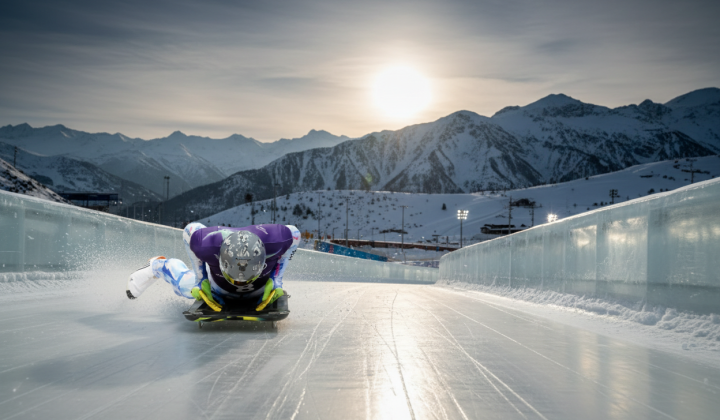
Vladyslav Heraskevych's Suspension
According to Главком: The International Olympic Committee (IOC) has suspended Ukrainian skeleton athlete Vladyslav Heraskevych from the 2026 Winter Olympics. The decision, upheld by the International Bobsleigh and Skeleton Federation (IBSF) jury, stems from his refusal to comply with regulations regarding his helmet, which features portraits of deceased Ukrainian athletes. This case highlights the ongoing tension between the IOC's rules on athlete expression and the powerful personal statements athletes wish to make.
The contentious helmet, known as the 'Helmet of Remembrance,' displays images of Ukrainian sports figures who lost their lives due to Russian aggression. Among those memorialized are:
- Figure skater Dmytro Sharpar
- Biathlete Yevhen Malyshev
In response to the ban, Heraskevych has called for the IOC to lift the prohibition on the helmet, apologize for the pressure he has faced, and provide electric generators for Ukrainian sports facilities damaged by shelling.
Vadym Huttsait, President of Ukraine's National Olympic Committee, has backed Heraskevych's stance, asserting that honoring the fallen is more valuable than any medal or rule.
'Vlade, the whole country is with you. This was your conscious and principled choice-we support it,' Huttsait stated.
He added that memory itself cannot be disqualified.
Controversy and Complications
The IOC justified its suspension by stating Heraskevych failed to adhere to its Guidelines on Athlete Expression. Despite multiple discussions and meetings with IOC representatives, including a final one with the organization's president, Kirsty Coventry, the athlete was unwilling to consider a compromise.
This incident has drawn attention to a perceived double standard, as Italian snowboarder Roland Fischnaller was allowed to compete in 2026 Olympic qualifiers wearing a helmet featuring a Russian flag, which sparked outrage among Ukrainian athletes. Ukrainian President Volodymyr Zelenskyy also expressed dismay, stating the IOC's decision 'breaks the heart' and betrays athletes who are barred from honoring their fallen compatriots on the sporting stage.
Heraskevych's family, including his father Mykhailo, have voiced concerns about the potential repercussions for all of Ukrainian sport if they retreat from this principled position.
'We cannot back down, because then there will be problems for all of Ukrainian sport,' he remarked.
He stressed the importance of supporting national athletes during this difficult time.
The situation surrounding Vladyslav Heraskevych and his helmet has ignited a broader debate about the role of memory and personal expression in international sport, particularly against the backdrop of war and loss in Ukraine. The athlete's suspension underscores the difficult compromises between the rules of global sporting bodies and national values, which may influence the future participation of Ukrainian athletes on the world stage.

Read also