Moldova Declares Environmental Emergency Following Russian Attack on Dniester River

Moldova Activates Environmental Emergency Protocol
According to Главком: Moldova's government has declared a 15-day state of environmental emergency for the Dniester River basin due to contamination by oil products. The emergency measures are effective from March 16, 2026. Prime Minister Alexandru Munteanu announced the decision, stating it was prompted by the detection of pollution near the village of Liadova, within the Yaryshivska community of the Mohyliv-Podilskyi district in Ukraine's Vinnytsia region. This river is a critical water source for Moldova, making its protection a national priority.
Source of the Contamination
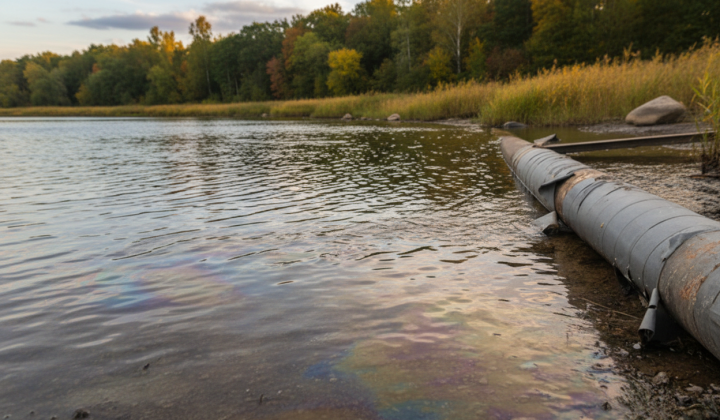
On March 10, 2026, slicks of technical oil were discovered in the Dniester. Preliminary investigations link the pollution to a leak of transformer oil from infrastructure near the Dniester Hydroelectric Power Plant in Ukraine's Chernivtsi region. This leak originated from damage caused by a Russian military strike on March 7. The oil slicks have since drifted downstream and were confirmed within Moldova's territory near the village of Naslavcea.
Relevant agencies have initiated continuous monitoring of the situation. Special containment booms and absorbent materials have been deployed at critical points, and water samples are being collected regularly. Water supply has been restricted in some areas of the country as a precautionary measure to safeguard public health.
'We are adopting this decision to prevent any threat to public health. Given the ongoing contamination by oil products and the risk of its spread, it is necessary to mobilize all resources promptly.' - Alexandru Munteanu
The declaration of an environmental emergency in Moldova underscores the severity of this water resource pollution, which poses risks not only to the local ecosystem but also to human health. As the leak resulted from external military aggression, the situation highlights the broader, often devastating, environmental consequences of armed conflict in the region.

Read also