Drone Strikes Shut Down Moscow Oil Refinery for Six Months

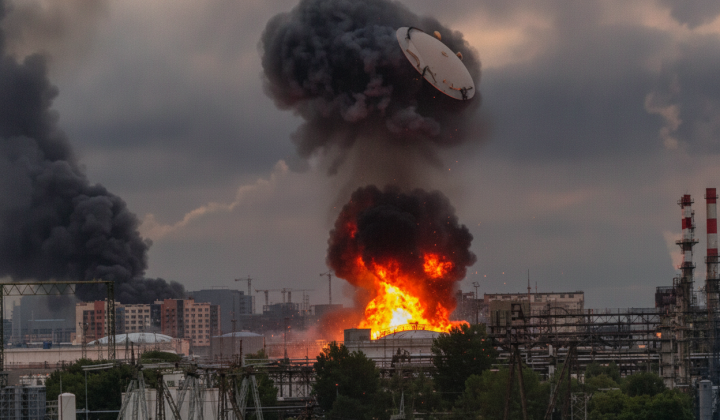
Moscow Refinery Halts Operations After Drone Attacks
According to Главком: Following two Ukrainian drone strikes on June 16 and 18, 2026, the Moscow Oil Refinery has been forced to halt operations for at least half a year. Located on Moscow's southern outskirts in the Kapotnya district, this facility is the largest fuel supplier to the Moscow region, making its closure a major blow to the local economy.
The drone attacks caused significant damage to the refinery's infrastructure. In 2024, prior to these incidents, the plant processed 11.6 million metric tons of crude oil, producing 2.9 million tons of gasoline and 3.2 million tons of diesel fuel. These figures highlight the refinery's critical role in keeping the region fueled.
Regional Fallout and Concerns
According to a Reuters source, repairs are expected to take at least six months. Vladimir Putin addressed the Ukrainian drone strikes during a meeting with graduates of higher military educational institutions at the Kremlin, though no further details of his comments have been released. As a result of these events, the fuel supply situation in the Moscow region could face major disruptions, given the refinery's dominant market position.
The shutdown has raised serious concerns about fuel stability in the region, potentially affecting transportation networks and other economic sectors. Extended repair timelines only add to the risks for businesses and consumers who rely on petroleum products. This incident also underscores the vulnerability of critical infrastructure amid rising tensions between Ukraine and Russia.
The implications of the Moscow Oil Refinery's closure extend beyond the immediate region, as a recent report indicates that the fuel crisis has impacted 53 Russian regions and occupied territories. This situation underscores the broader economic challenges facing Russia, particularly as disruptions to fuel supply could have cascading effects on transportation and industry across multiple areas.

Read also