Pre-Match Charging Required for Soccer Balls at 2026 World Cup

Tech Upgrades Set for the 2026 FIFA World Cup
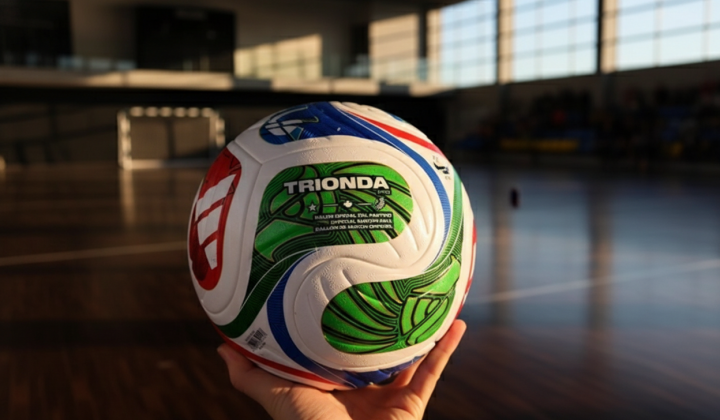
According to Главком: At the 2026 FIFA World Cup, running from June 11 to July 19 across the United States, Canada, and Mexico, match balls will come equipped with motion sensors. This technological leap means each ball must be charged before kickoff. The sensors track every touch on the ball, helping officials more accurately judge offsides and handball incidents. Data from these sensors is sent directly to video assistant referees, boosting the precision of on-field decisions. As a point of context, this is not the first time high-tech balls have been used in the tournament-similar technology debuted at the 2022 World Cup.
Each sensor has a six-hour battery life, and every ball is placed on a dedicated charging station at the stadium prior to the match. This innovation builds on earlier efforts to integrate advanced equipment into the sport.
World Cup Group Stage Lineup
With preparations underway, the tournament’s 12 groups have already been finalized. The participating teams are as follows:
- Group A: Mexico, South Africa, South Korea, Czech Republic.
- Group B: Canada, Bosnia and Herzegovina, Qatar, Switzerland.
- Group C: Brazil, Morocco, Haiti, Scotland.
- Group D: United States, Paraguay, Australia, Turkey.
- Group E: Germany, Curacao, Ivory Coast, Ecuador.
- Group F: Netherlands, Japan, Sweden, Tunisia.
- Group G: Belgium, Egypt, Iran, New Zealand.
- Group H: Spain, Cape Verde, Saudi Arabia, Uruguay.
- Group I: France, Senegal, Iraq, Norway.
- Group J: Argentina, Algeria, Austria, Jordan.
- Group K: Portugal, DR Congo, Uzbekistan, Colombia.
- Group L: England, Croatia, Ghana, Panama.
The top two teams from each group will advance to the round of 32, along with the eight best third-place finishers from the group stage.
Notably, Ukraine failed to qualify for the tournament, losing 1–3 to Sweden in the playoff semifinals. Ponomarenko scored Ukraine’s only goal in the 90+1 minute, while Swedish player Gyökeres netted a hat-trick (6th, 51st, and 72nd minutes). This absence underscores the competitive nature of the qualifiers and highlights areas for Ukraine’s future development.
Innovations like motion-sensor balls have the potential to transform football officiating by enhancing accuracy and fairness. Their use at the 2026 World Cup reflects organizers’ commitment to embracing new technology and driving the sport forward. Ukraine’s failure to make the tournament, following a narrow playoff loss, should serve as motivation for the team to improve and compete in future events.
In addition to the innovative ball technology, FIFA has also made significant changes to the player entrance experience for the upcoming tournament. The organization has decided to eliminate the traditional player walkout, marking a shift in how teams will present themselves on the field. To learn more about this and other exciting updates for the 2026 World Cup, check out the details in our article on FIFA's new player presentation format.

Read also