500 Meters Under the Great Lakes: A Hidden Ecosystem Comes to Light

The Antrim Shale’s Unexpected Tenants
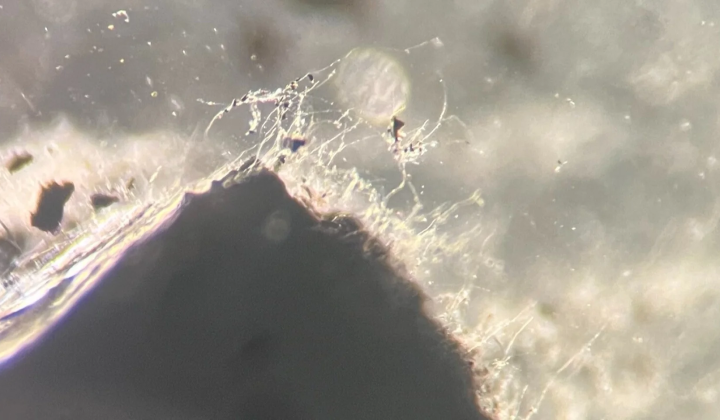
According to НВ — Техно: One of Earth’s least explored frontiers lies directly beneath the Great Lakes region. Researchers from the University of Michigan have uncovered a thriving subsurface community-including fungi, tardigrades, and segmented worms-living in water pumped from gas wells in the Antrim Shale, up to 500 meters down. The findings appeared in The ISME Journal and document 689 fungal species, 13 of which had never been described. The water itself had not touched the surface for roughly 11,000 years.
The sampled wells ranged from 198 to 500 meters deep. In a single drop of water, scientists counted around 250 fungal cells-a sign of considerable biomass. If that density held across an Olympic-sized swimming pool, it would mean roughly 12 trillion fungal cells. Alongside the fungi, researchers also found tardigrades and segmented worms. Shale appears to be the food source anchoring this ecosystem.
Why the Discovery Matters
According to Quinn Moon, one of the researchers,
"Our work challenges the assumption that deep subsurface rock is too harsh for complex organisms such as fungi. We may be massively underestimating fungal biomass and diversity worldwide because deep Earth habitats have never been included in global biodiversity assessments."
Tim James, another team member, added,
"Whether these fungi evolved in the deep subsurface or were carried there, many of them have adaptations that let them grow and shape carbon dynamics far below the surface."
The Antrim Shale extends under most of the Great Lakes region, so the implications reach far beyond a single well site. The organisms appear to form a food web-some species feed on others, and some are parasites-revealing how complex life can become in extreme isolation. This discovery challenges current assumptions about where life can survive and how much fungal diversity may remain hidden underground. It also underscores the importance of studying subsurface ecosystems, since they may play a role in regulating carbon cycles. Expanding knowledge in this area could help scientists design new strategies for environmental protection and resource management.

Read also