A new species of miniature octopus discovered at 1,773 meters below the surface

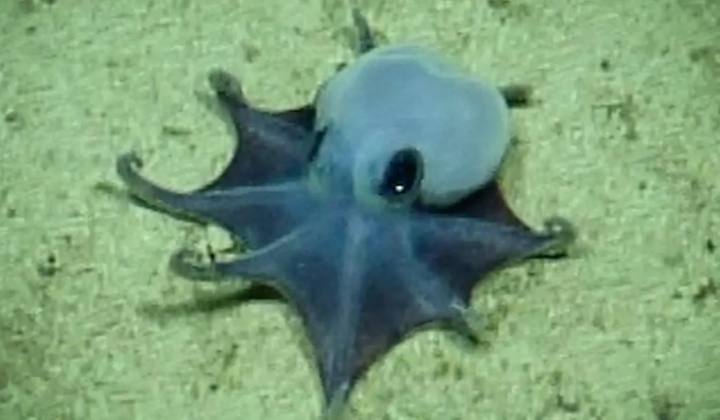
New octopus species found in deep-sea expedition
According to НВ — Техно: Scientists have identified a previously unknown species of tiny octopus, officially named Microeledone galapagensis. The creature was first spotted during a research mission aboard the E/V Nautilus in the deep waters of the Galápagos archipelago. The discovery occurred near Darwin Island at a depth of roughly 1,773 meters. To analyze the specimen, researchers used micro-computed tomography, generating a detailed three-dimensional model from thousands of X-ray images.
Research methods and modern approach
The expedition employed a remotely operated underwater vehicle (ROV), which captured video footage of the octopus. The specimen was no larger than a golf ball, and only a single individual was brought to the surface. Notably, octopus expert Janet Voight, who contributed to the study, opted against performing a traditional physical dissection-a decision that reflects a contemporary, non-invasive approach to studying marine life.
The discovery of Microeledone galapagensis was reported in the journal Zootaxa on May 26, 2026. This finding highlights the critical importance of exploring deep-sea ecosystems and the organisms that inhabit them.
This breakthrough serves as further evidence that the ocean's depths continue to harbor countless unknown species, many of which may play vital roles in marine ecosystems. By leveraging cutting-edge technology to study such creatures, scientists are unlocking new possibilities for understanding biodiversity and ecological processes in the deep sea, underscoring the urgent need to protect these unique and fragile environments.

Read also