5,000-Year-Old Ritual Circle Discovered on Scotland’s Isle of Arran

Ancient Ritual Circle Unearthed on the Isle of Arran
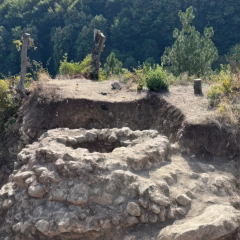
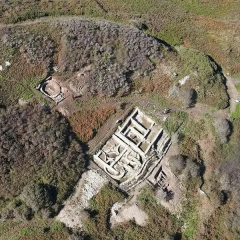
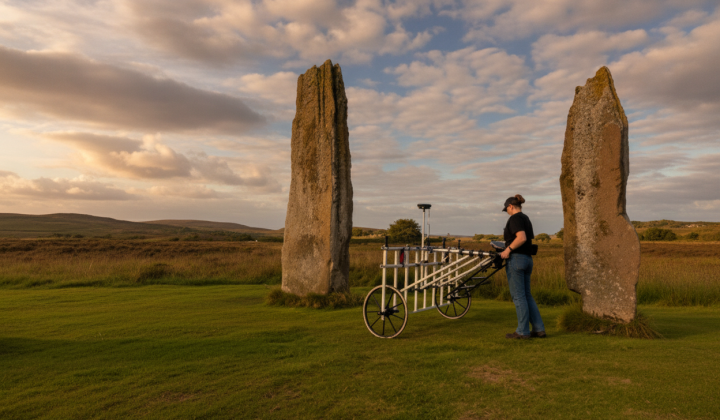
According to Главком: Archaeologists have uncovered a ritual circle consisting of 12 circular pits on the Isle of Arran, located off the coast of Scotland. This find dates back to between 3,500 and 1,500 BCE, spanning the Neolithic and Bronze Ages. The site lies on the Machrie Moor peat flatland, situated on the island’s western shore.
What This Discovery Means
Surveys of the area have revealed that it once housed standing stones, burial mounds, and six stone circles. Dr. Nick Gannon, head of cultural heritage documentation at Historic Environment Scotland, commented:
“We are incredibly excited about this discovery. We knew Machrie Moor still held many undiscovered archaeological treasures, but finding a new circle exceeded all our expectations.” - Dr. Nick Gannon
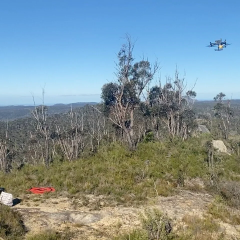
Dr. Gannon further noted that the tools used for archaeological research are constantly improving. This allows experts to uncover more hidden history without disturbing the ground or risking damage to the sites themselves. The discovery of the ritual circle on the Isle of Arran highlights the region’s significance for studying Scotland’s ancient past.
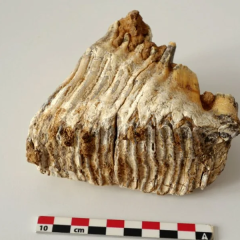
This find further confirms the area’s rich archaeological heritage. For context, earlier in the UK, 11-year-old Charlie Orchard-Lyle discovered a fossilized tooth from an extinct animal, dating back roughly 1.8 million years, on East Lane beach in the village of Bawdsey, Suffolk. Such events underscore the importance of archaeological work in revealing and preserving our history.
The uncovering of the ritual circle on the Isle of Arran not only deepens our understanding of ancient cultures and religious practices but also reinforces the critical role of archaeological research in studying Scotland’s history. This discovery may spur further excavations in the region, potentially unveiling new aspects of early community life. Archaeological investigations continue to play a key part in restoring historical memory and cultural heritage.

Read also