Oil Rain Falls on Tehran Following Israeli Airstrikes on Fuel Infrastructure

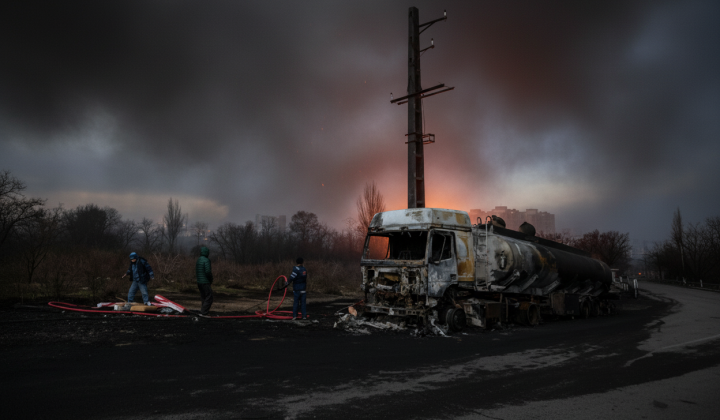
An Unprecedented Oil Rain in Tehran
According to Главком: On March 8, 2026, residents of the Iranian capital witnessed a bizarre and hazardous phenomenon: an oily black rain falling from the sky. This event was a direct consequence of Israeli airstrikes carried out the previous evening, March 7, which targeted fuel facilities in the city. Thick, dark clouds formed over Tehran in the morning, releasing precipitation saturated with crude oil. A dark, greasy film coated streets, vehicles, and building windows, creating a dangerous situation for the city's inhabitants.
The Israel Defense Forces (IDAF) confirmed the operation, stating that fuel-related targets in Tehran were struck on the evening of March 7. Following the attack, flames and towering plumes of smoke were observed over the Shahran oil refinery. The strikes caused burning fuel to enter the city's sewer system, igniting fires. These fiery streams engulfed Kuhsar Boulevard, one of Tehran's major thoroughfares.
Health and Environmental Hazards
The Iranian Red Crescent urged citizens to stay indoors due to the severe threat posed by the contaminated air. Meteorologist Jim Dale from British Weather Services warned that
"inhaling these pollutants can cause both short-term and long-term respiratory illnesses, with the potential to lead to cancer in the future"
and noted that
"the black rain threatens agricultural land, as crops could be destroyed"
.
The regional situation remains highly volatile. China's Foreign Minister Wang Yi expressed deep concern, stating that 'the flames of war risk spilling beyond the region, and the conflict benefits none of the parties involved.' These developments occur against a backdrop of escalating military action and heightened tensions across the Middle East.
This incident is a stark manifestation of the long-standing hostility between Israel and Iran, which has intensified in recent years. Attacks on Iranian oil infrastructure are seen as part of an Israeli strategy to weaken the nation's economy and military capabilities. The resulting environmental contamination and public health crisis underscore the severe humanitarian consequences of the conflict, highlighting the urgent need for international diplomatic intervention to prevent further escalation and suffering.

Read also