A Timeline of the Nagorno-Karabakh Conflict: From the 2016 Clashes to a Peace Declaration

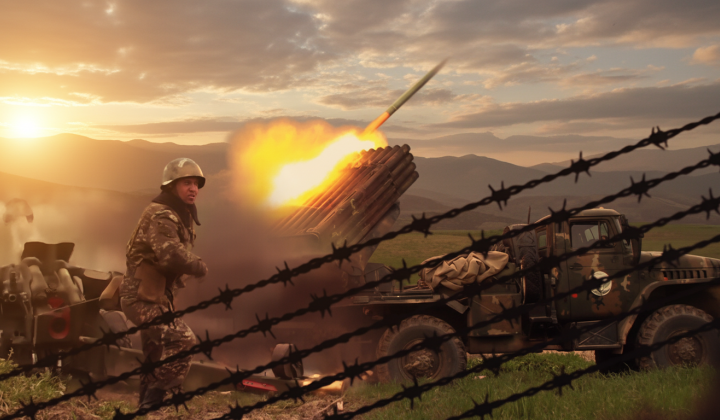
The Nagorno-Karabakh Conflict
According to ХВИЛЯ: The Nagorno-Karabakh conflict, which escalated in 1988, has a complex history marked by wars and military operations. This decades-long struggle has seen major armed clashes in 1992-1994 and again in 2020. Recent events indicate a further escalation, culminating in September 2023 when Azerbaijan established full control over the Nagorno-Karabakh region. This long-running dispute is a key source of instability in the South Caucasus.
Military Actions and International Efforts
A significant phase of the conflict was the April 2016 clashes, known as the Four-Day War. On April 2, 2016, the Azerbaijani Armed Forces launched an offensive operation, claiming the destruction of 30 Armenian tanks, 25 artillery units, and other armored vehicles. The fighting resulted in significant casualties on both sides, with over 800 servicemen from the opposing side reported killed or wounded. Azerbaijan also gained control of the strategic Leletepe height. A ceasefire was brokered by Russia after four days of combat.
The events of 2020 marked a new escalation. On September 27, the Azerbaijani army began a counter-offensive in Karabakh, leading to 44 days of fighting. As a result of this war, Aghdam was retaken on November 20, and Kalbajar on November 25, 2020. A trilateral statement signed on November 10, 2020, stipulated the withdrawal of Armenian armed forces from the Lachin district, effective December 1, 2020.
In September 2023, Azerbaijan conducted what it termed "anti-terrorist measures," which concluded with its forces in control of the region. On October 15, 2023, President Ilham Aliyev raised the state flag in Aghdara, Khojaly, Askeran, Khojavend, and Khankendi, symbolizing the final consolidation of Azerbaijani control.
Internationally, the conflict has been accompanied by UN Security Council resolutions, specifically Resolutions 822, 853, 874, and 884 in 1993, which created a legal framework for settlement. Various international organizations have also engaged in the peace process, including:
- The UN Security Council
- The Non-Aligned Movement
- The European Union
- The Council of Europe
- The Organization of Islamic Cooperation
- The Organization of Turkic States
In May 2018, over 11,000 hectares of territory in the Nakhchivan Autonomous Republic, including the village of Gyunnyut in the Sharur district, were returned to Azerbaijani control. Meanwhile, Azerbaijan's military spending, which has increased more than 15-fold since 2003, points to preparations for potential future tensions in the region.
A conclusion to the conflict may now be possible following the signing of a joint declaration on a peaceful settlement. This occurred on August 8, 2025, in Washington with the participation of the leaders of Armenia, the United States, and Azerbaijan. The declaration is hoped to be a step toward stability in Nagorno-Karabakh. - Serzh Sargsyan
The situation in Nagorno-Karabakh remained tense for decades, and recent events demonstrate that control over this region can significantly impact political stability in the Caucasus. The importance of an international settlement is underscored by the involvement of various states and organizations seeking to ensure peace. Future steps to support peace will likely depend on the implementation of signed agreements and the willingness of the parties to compromise.
The geopolitical dynamics in the South Caucasus are further complicated by regional powers, particularly in relation to Iran. Understanding Turkey's strategic stance can provide valuable insights into how these relationships may influence the ongoing Nagorno-Karabakh situation and broader security in the region.

Read also