How Sumy Region's MPs Vote on Anti-Corruption and Security: A Performance Review

Examining the Performance of MPs from Sumy Oblast
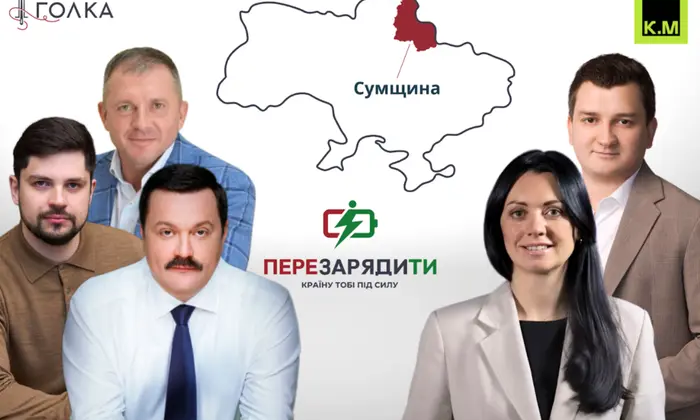
According to Главком: Five majoritarian MPs represent Sumy Oblast in Ukraine's national parliament: Ihor Vasyliev, Maksym Huzenko, Mykola Zadorozhnyi, and Tetiana Skrypka (Riabukha) from the 'Servant of the People' party, along with the independent Ihor Molotok, who is part of the 'For the Future' parliamentary group. The head of the regional 'Servant of the People' branch is Mykhailo Ananchenko. An analysis of their voting records and activities reveals critical insights into their support for key issues, including the weakening of independent anti-corruption bodies, national security, urban planning reform, and environmental initiatives. This scrutiny is particularly relevant for a border region facing unique pressures.
Andrii Derkach, who previously represented the region, has been stripped of his mandate and now resides in Russia. In 2024, he was elected to the Federation Council of the Russian Federation from Astrakhan Oblast and joined its defense committee. Derkach had consistently won elections in the district containing the city of Hlukhiv since 1998. It is crucial to note that Sumy Oblast shares a 564-kilometer border with Russia, which underscores the paramount importance of national security for its residents.
Impact on Security and Corruption Scandals
The actions of these elected officials significantly impact local security and citizen welfare, especially as the region has endured severe Russian attacks. Shostka experienced Ukraine's first full-scale blackout, and Konotop suffered a similar blackout in October due to shelling. Against this backdrop, the business dealings of MP Ihor Molotok's mother's company, which sold materials for fortifications at inflated prices, have drawn scrutiny. The National Anti-Corruption Bureau of Ukraine (NABU) has conducted searches related to Molotok in a case concerning false asset declarations and illicit enrichment.
During the pandemic, Oleksandr Kachura suggested purchasing the Russian vaccine and co-sponsored a bill with Maksym Buzhanskyi to abolish fines for refusing service in the Ukrainian language. Tetiana Chornovil stated that Kachura was aligned with Viktor Medvedchuk's 'Ukrainian Choice' party during the Maidan events; Medvedchuk subsequently won a lawsuit against Chornovil and several media outlets over these claims.
Mykola Zadorozhnyi did not support the renaming of 333 populated places, a bill that passed with 208 votes. Maksym Huzenko ranked among the top five largest landowners in parliament after the 2019 elections. Meanwhile, both Huzenko and Ihor Vasyliev were absent from votes on the 'Emerald Network' law for ecological conservation and a law limiting industrial emissions. Oleksandr Kachura was also absent for the 'Emerald Network' vote and did not vote on the emissions law, while Ihor Molotok abstained on both initiatives.
Tetiana Skrypka (Riabukha) was nominated by 'Servant of the People' as a candidate for mayor of Sumy in 2020. However, the documents submitted to the Central Election Commission contained false information about her employment as a school director. The collective record of Sumy's parliamentary representatives raises serious questions about their accountability, their support for vital environmental policies, and their stance on national security and anti-corruption efforts. Their performance is a matter of public trust for a frontline region.
Research into the MPs from Sumy Oblast shows inconsistent support for crucial legislative initiatives concerning ecology, national security, and anti-corruption. This pattern may indicate insufficient activity and responsibility from the elected officials in the face of the region's crisis-level challenges. Given recent events impacting Ukraine's security and stability, the importance of their decisions and positions becomes even more apparent. The existence of corruption scandals and non-transparent actions further highlights the need for greater transparency and accountability from those in power.

Read also