NASA’s New Space Processor Outperforms Current Chips by 500 Times

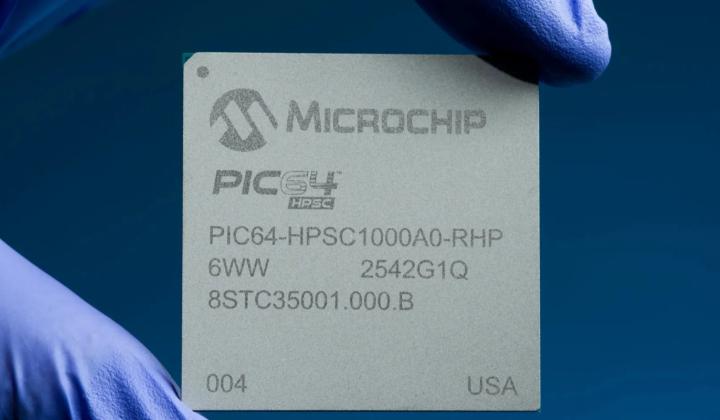
Introducing the HPSC Chip: A Leap in Space Computing
According to НВ — Техно: On May 27 at 10:30 AM, NASA, in collaboration with Microchip Technology Inc., announced the successful creation of a new radiation-hardened processor called the High-Performance Spaceflight Computing (HPSC) system. Tests conducted at NASA’s Jet Propulsion Laboratory (JPL) showed remarkable results: the HPSC processes data 500 times faster than chips currently used in space missions, and its computational power exceeds modern standards by a factor of 100.
Built as a system-on-chip (SoC), the HPSC is compact enough to fit in the palm of a hand and weighs just a few grams, making it ideal for space environments. During testing, the chip withstood extreme conditions such as electromagnetic radiation, low temperatures, and mechanical shocks.
Future Deployment Plans
Once certification is complete, the HPSC is expected to be integrated into upcoming space missions, including Mars rovers, orbital stations, and deep-space habitats. This development is part of NASA’s Game Changing Development (GCD) program, which focuses on bringing innovative technologies to space exploration.
The HPSC marks a major step forward in improving mission efficiency by drastically reducing data processing time and boosting overall system performance. This could enable more complex scientific experiments and advanced technologies in the future, further strengthening NASA’s role in space research and innovation.

Read also