Why Do Surprised Eyes Widen? Scientists Pin Down the Brain Signal Behind It

Pupils at Full Stretch: A Brown University Team Decodes the Physiology of Surprise
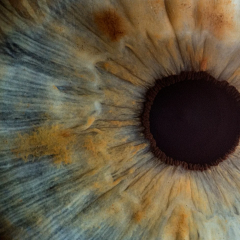
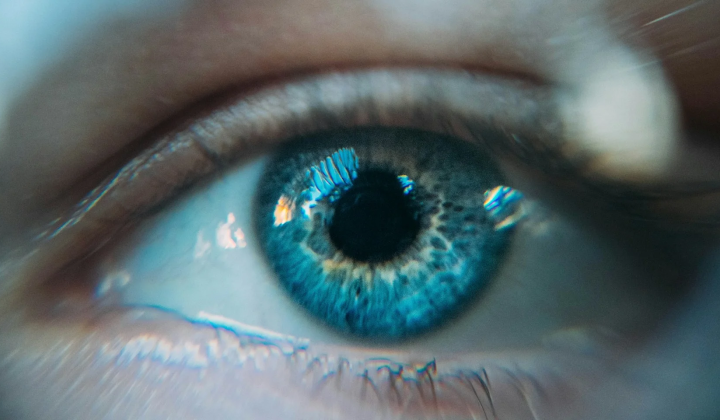
According to НВ — Техно: A study published in Nature Human Behaviour by neuroscientists at Brown University explains what happens in the brain when surprise makes our pupils dilate. Incoming unexpected information switches on the locus coeruleus-literally the "blue spot"-which then releases norepinephrine. This chemical signal kicks off an adaptive response that allows the brain to revise its expectations and absorb new details quickly. Surprise is a familiar part of everyday life, but its inner workings have been hard to trace; pupil size now offers a visible clue to that hidden process.
How the Experiments Were Done
Research took place at Brown's Carney Institute for Neuroscience, with 63 volunteers taking part. From those sessions, investigators gathered 57 complete electroencephalography (EEG) records and 60 usable sets of pupil measurements. Participants had to predict which colored square would appear on a screen. Whenever the color broke their expectation, their pupils widened at once-an immediate sign that the brain was processing something novel.
Activity in the locus coeruleus tracked these changes in pupil diameter. That region is the brain's main supplier of norepinephrine, which is best known for triggering the classic "fight-or-flight" stress response. Together, pupil dilation and EEG signals act like external gauges showing that the brain has shifted into a new operating state. Surprise, in this view, acts as a kind of reset mechanism: it helps load a fresh context and lessens the pull of prior expectations.
The findings demonstrate how molecular and electrical brain activity connects to emotional experience, offering a broader window into human cognition. They also carry potential for future work in psychology and neurobiology, especially around stress, adaptation, and anxiety disorders. As research expands, hope remains that these insights will lead to new therapeutic strategies and a richer understanding of why people react emotionally the way they do.
Understanding the brain's response to surprise not only sheds light on pupil dilation but also connects to broader cognitive processes. Recent discoveries regarding the cerebellum's role in brain function challenge long-held theories, revealing more about how our brain operates under different stimuli. To explore these groundbreaking insights, read more about how new research is reshaping our understanding of brain mechanics.

Read also