Collagen Has Been Found in 66-Million-Year-Old Edmontosaurus Fossil, Scientists Report

Ancient Collagen Discovery Resolves Paleontology Debate
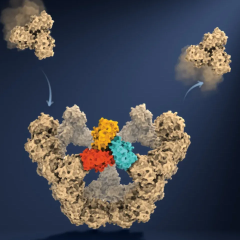
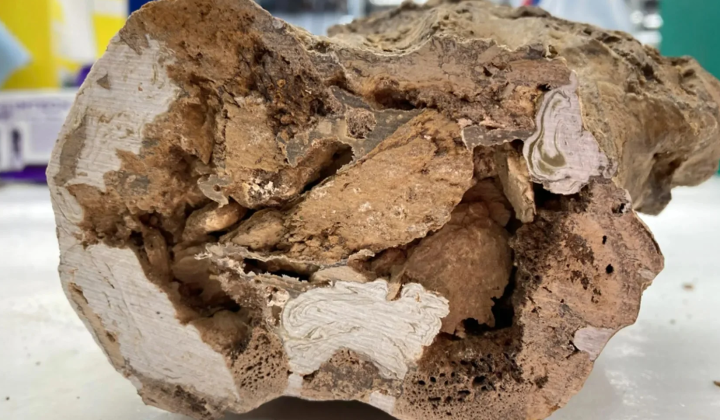
According to НВ — Техно: Researchers from the University of Liverpool have identified well-preserved collagen in fossilized Edmontosaurus remains estimated to be 66 million years old. Weighing 22 kilograms, the bone was unearthed from Upper Cretaceous deposits within South Dakota's Hell Creek Formation. The investigation was headed by Professor Steve Taylor, whose team applied protein sequencing and mass spectrometry to match fragments of collagen alpha-1, the key structural protein found in bone tissue. Researchers at the University of California, Los Angeles, additionally confirmed the presence of hydroxyproline.
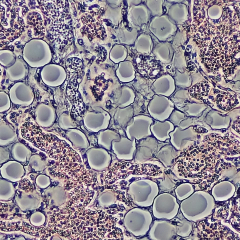
The announcement represents a turning point in a scientific dispute that has lasted nearly three decades, because it verifies that original organic molecules can remain inside fossil bone. It may also lead researchers to revisit polarized-light microscopy archives of fossil bones gathered over the last century, opening new prospects for studying dinosaur evolution and anatomy.
Further Research and Relevance
Published in Analytical Chemistry, the study is considered a meaningful contribution to paleontology, since intact organic molecules in such ancient remains were once viewed as highly unlikely. Collagen preserved in Edmontosaurus could throw light on the biological mechanisms at work in these animals and on the evolutionary transformations they underwent over millions of years. The finding challenges longstanding assumptions about fossil preservation and creates fresh opportunities for molecular paleontology.
This discovery not only sheds light on the preservation of organic materials in ancient fossils but also aligns with recent findings regarding dinosaur behavior. For instance, researchers have analyzed the uneven footprints of a 150-million-year-old dinosaur in Colorado, suggesting possible mobility issues. Such insights could further enrich our understanding of dinosaur life and evolution.

Read also