A Low-Cost Method for Refining Oil Without Heat Has Been Discovered by Scientists

Innovative Approach to Oil Distillation
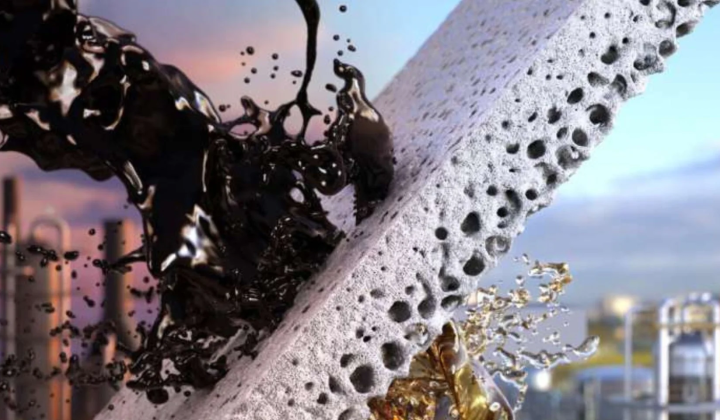
According to НВ — Техно: A team from the Korea Advanced Institute of Science and Technology and the Georgia Institute of Technology has created an affordable membrane made of porous polyacrylonitrile that can separate crude oil at room temperature. This technique offers an alternative to conventional distillation, which is highly energy-intensive and requires heating crude oil to over 350 degrees Celsius.
According to the findings, this new membrane eliminates the need for ultra-thin selective coatings, streamlining the separation process and boosting its efficiency. Global electricity consumption for oil distillation reaches roughly 1,100 terawatt-hours each year, meaning the adoption of this membrane could lead to substantial energy savings.
The researchers note that 'this approach has the potential to lower energy use in oil processing while cutting production costs and improving the scalability of membrane-based crude oil fractionation.'
This breakthrough could have a profound impact on the oil refining industry by providing a more environmentally friendly and cost-effective method.
As a result, the porous polyacrylonitrile membrane may represent a significant step toward more sustainable and efficient raw material processing, reducing environmental harm and energy expenses.
Potential of the Technology
This advancement in oil distillation technology has the capacity to reshape global oil refining practices. Lower energy requirements could not only reduce product costs but also help cut carbon emissions, aligning with modern environmental standards.
If successfully implemented, the new membrane could become an industry standard, enabling the sector to meet growing demands for ecological responsibility and energy efficiency.

Read also