Rare Saline Underwater Lakes Discovered 1770 Meters Deep in the Red Sea’s Gulf of Aqaba

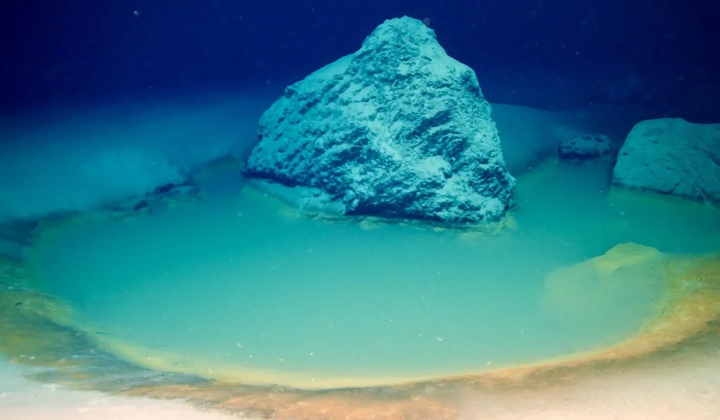
Discovery of Salt-Rich Submarine Lakes in the Gulf of Aqaba
According to НВ — Техно: Researchers from the University of Miami have uncovered rare saline underwater lakes, known as brine pools, resting nearly 1770 meters beneath the surface in the northern Red Sea's Gulf of Aqaba. These pools are distinguished by their extremely high salt content and lack of oxygen, yet they harbor diverse microbial communities. This remarkable ecosystem provides valuable insights into life in extreme environments, the geological evolution of the region, and even the potential for extraterrestrial life.
This marks the first time such brine pools have been documented in this particular gulf. The discovery was made by a team led by Professor Sam Perkis, using a remotely operated underwater vehicle launched from the research vessel OceanXplorer. The finding occurred during the final five minutes of a ten-hour deep-sea dive. Previous investigations of Red Sea brines have identified biologically active molecules with promising anti-cancer properties.
The Significance of Submarine Lakes
These underwater lakes serve as important archives of past natural disasters, including:
- tsunamis,
- flood events,
- and earthquakes within the Gulf of Aqaba.
The region is known for its dynamic tectonic activity, featuring numerous faults and fissures. In 2022, Perkis’s team also uncovered evidence of an underwater landslide that occurred roughly 500 years ago, likely triggering a massive tsunami. Studying these brine pools will enhance understanding of natural disaster risks and support coastal development planning in Egypt and Saudi Arabia.
Exploring such life forms helps define the boundaries within which organisms can survive.
Sam Perkis
The identification of brine pools in the Gulf of Aqaba not only opens new avenues for scientific research but also carries practical implications for assessing environmental and geological hazards in the area. Understanding these unique ecosystems could inform innovative strategies to mitigate natural disasters-a priority for the nations bordering the Red Sea. Additionally, these extreme habitats offer promising parallels for astrobiology, shedding light on possible life-supporting conditions beyond Earth.

Read also