Education in Slovakia - admission requirements, prices, and opportunities for Ukrainians
Today, studying in Slovakia after the 11th grade or studying in Slovakia for Ukrainians is a real option for building a future. While the cost of education in Slovakia (it has always been important how much it costs to study in Slovakia) is affordable, and the disadvantages of studying in Slovakia are minimal. In any case, everyone can consider this option.
Also, education in Slovakia for refugees has a simplified system, and distance education in Slovakia is available even without special status. Therefore, studying in Slovakia in English can become a real ticket to the future for everyone.
Features of the education system in Slovakia

In recent years, Slovakia has become an increasingly attractive country for higher education among Ukrainian applicants due to the relatively low cost of education, geographical proximity, and simplified admission conditions. The educational system of this country offers a wide range of specialties that are taught in both Slovak and English, making it accessible to students with different levels of language proficiency. It is also worth noting that Ukrainians who have obtained temporary protection status have the right to free education in state universities in Slovak.
Additionally, the cost of living in Slovakia is one of the lowest in the European Union, allowing students to feel comfortable even with a limited budget. The admission campaign has a clear structure and predictable deadlines. The language barrier is overcome thanks to preparatory courses. This material examines the key aspects of education, specifically the admission conditions for Ukrainians after the 11th grade. It also analyzes the cost of education and living. Special attention is given to the opportunities for studying in English.
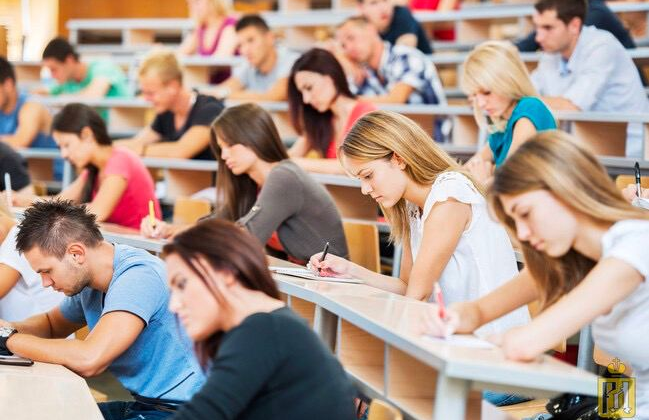
Higher education in Slovakia is based on European standards and offers a three-tier system of training specialists, which includes bachelor's, master's, and doctoral studies. The first level, the bachelor's program, lasts three to four years depending on the specialty, while the second level, the master's program, usually takes two years for most fields of study. Doctoral studies may last from three to four years. Most programs require passing entrance exams for admission. Some specialties, particularly medical and creative fields, require additional creative competitions or practical tests. The academic year in Slovak universities is divided into two semesters.
Knowledge assessment is carried out according to the ECTS credit-module system. This allows students to easily transfer between universities. It also facilitates academic mobility within the EU. Students can choose additional subjects. They can combine study with work. Universities actively cooperate with employers. This ensures a high level of employment for graduates. Slovak diplomas are recognized worldwide. This is a significant advantage for foreign students.
Studying in Slovakia for Ukrainians after the 11th grade
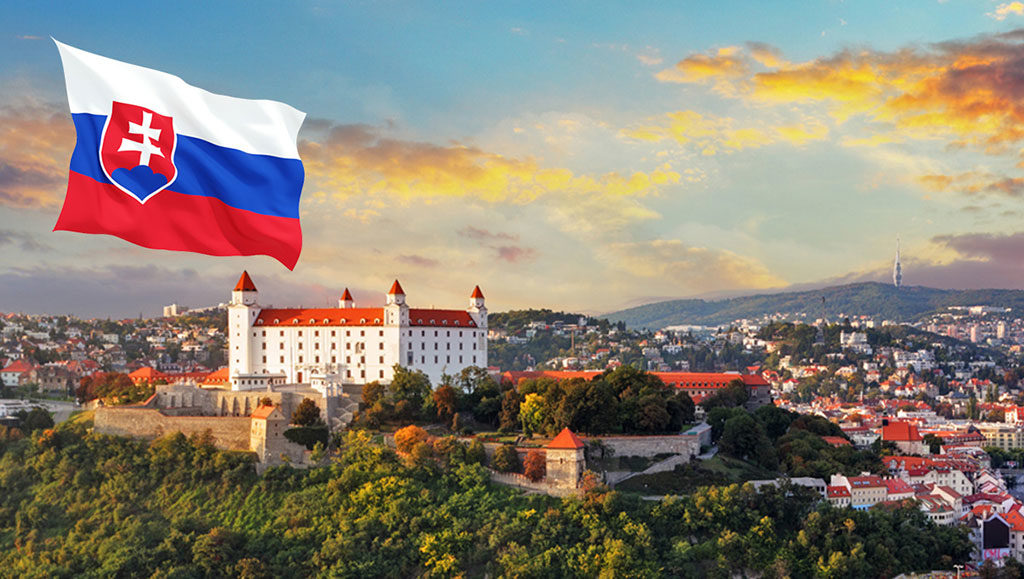
Ukrainian applicants who have completed 11 grades can enroll in Slovak universities under the conditions defined by intergovernmental agreements. To enroll, one must have a certificate of complete secondary education and confirm the level of proficiency in the language of instruction. It is important to note that most specialties require passing entrance exams, which can be written or oral. Many universities offer preparatory courses that last one year to help students learn the Slovak language and adapt to the education system.
For admission in Slovak, there is no need to take an additional language test. A certificate of completion of preparatory courses is sufficient. Ukrainians with temporary protection status have additional benefits. They can study for free in state programs, specifically in Slovak. The certificate of secondary education does not require nostrification for admission, significantly simplifying the document submission process.
Cost of education and living
One of the main advantages of studying in Slovakia is the affordable cost of education and living. Key figures:
- Studying in Slovak language at state universities is free for Ukrainians.
- Programs in English are paid, costing between 1500 and 6000 euros per year.
- The cost of living in dormitories is approximately 100-200 euros per month. Renting a private apartment will cost 300-500 euros per month.
- The cost of food and transportation is moderate.
- The monthly student budget can amount to 400-700 euros, depending on the city of residence. Expenses in Bratislava are higher than in smaller cities.
- Students can also work while studying, which helps cover some expenses.
Overall, free education is a significant advantage, making Slovakia attractive for Ukrainians.
Studying in English in Slovakia

Many Slovak universities offer programs in English for international students, which is especially convenient for those not fluent in Slovak. The most popular programs include medicine, business, engineering, and information technology. The cost of these programs is paid and varies depending on the university and specialty. To enroll, one must confirm their level of English proficiency, typically requiring a certificate at the B2 level or higher. Entrance exams are conducted in English. English-language programs attract students from different countries.
Distance education and education for refugees
Slovak universities offer part-time education for students who cannot attend classes daily for various reasons, allowing them to combine their education with work or other commitments. Distance education involves fewer in-person hours than full-time study, with much of the material being studied independently during non-class time, requiring a high level of self-discipline and organization from the student. Classes in part-time education are usually held in the evenings or on weekends, allowing working students to effectively plan their schedules without compromising their main activities. The cost of part-time education for foreigners is often lower compared to full-time study, making it more accessible for students on a limited budget. For Ukrainians with temporary protection status, distance education can also be free when studying in Slovak, significantly expanding the opportunities for higher education.
Additionally, refugees from Ukraine can take advantage of special support programs that provide a simplified admission process, assistance with adaptation, and language support in the initial stages of education. It is important to note that for admission to part-time programs, Ukrainians do not need to additionally confirm their education documents if they hold a certificate or diploma issued in Ukraine, thanks to existing intergovernmental agreements. Universities provide consulting support to refugee students, helping them adapt to new conditions. Many universities create special support groups to facilitate faster integration into the educational process.
Students can participate in additional language classes and also have access to courses on adapting to local culture, which helps them better understand the educational material. Distance education also utilizes online technologies, allowing students to access materials online, which is especially convenient for those living far from the university. It also enables students to maintain contact with teachers. Refugee students receive psychological support, and universities organize social events for integration. Thus, part-time education opens up wide educational opportunities in Slovakia.
Advantages and disadvantages of studying in Slovakia
Studying in Slovakia has several significant advantages that make this country attractive for Ukrainian students, including the affordable cost of living, free education in Slovak for certain categories, and the possibility of legal employment while studying. An important advantage is Slovakia's membership in the European Union, which allows students to participate in academic mobility programs such as Erasmus+ and obtain diplomas recognized in all European countries. Relatively low prices for housing, food, and transport make Slovakia more accessible for students compared to other European countries, which is a significant argument for those on a limited budget.
Moreover, Slovak universities actively collaborate with employers, ensuring good employment prospects for graduates both in Slovakia and in other EU countries. However, there are also certain disadvantages, including the necessity of learning Slovak for free education. Additionally, for admission to many specialties, it is required to pass exams. The education system necessitates a high level of self-organization.
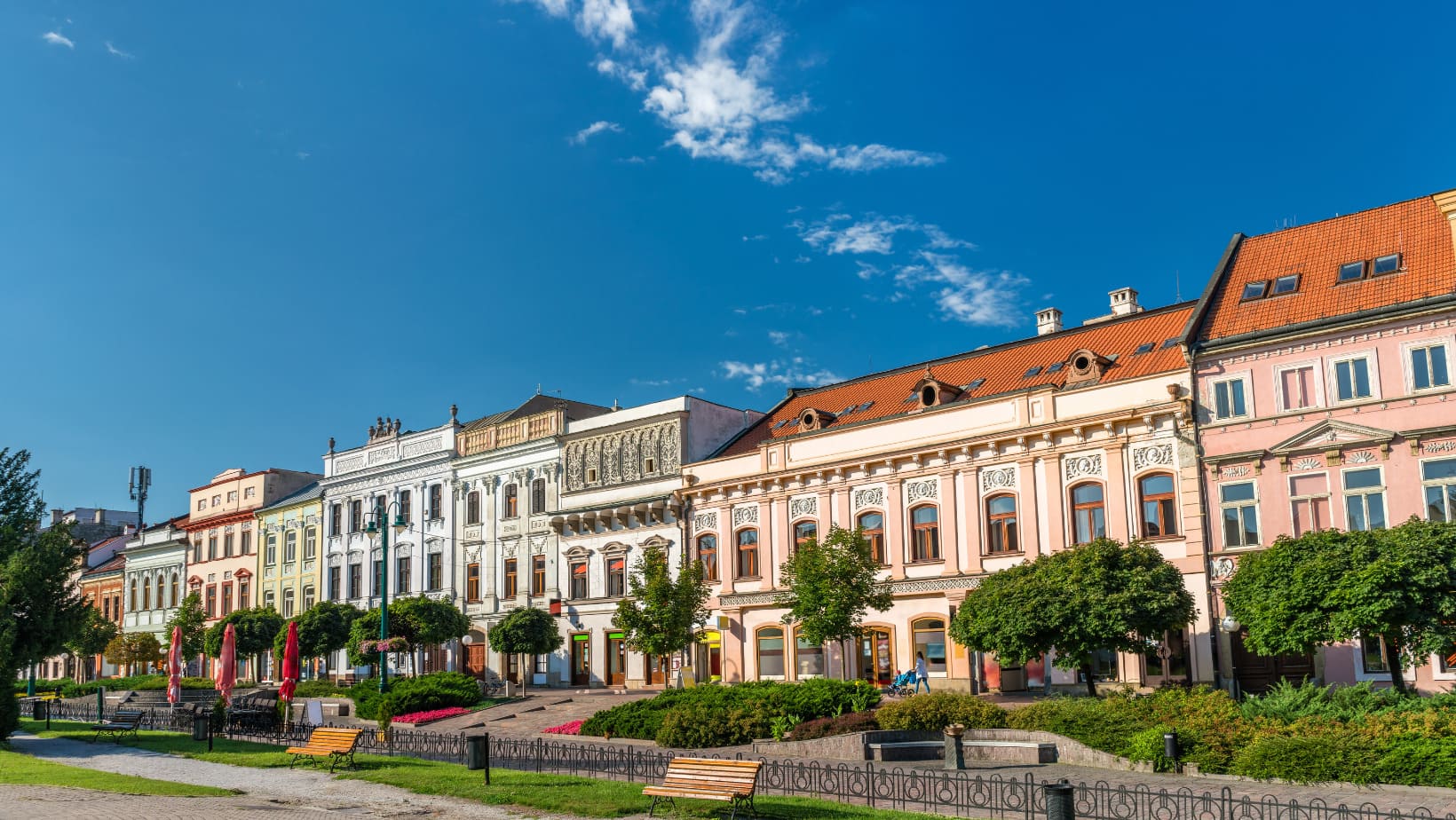
This is especially true for part-time education. Foreign students sometimes find it difficult to adapt to new conditions. Teaching approaches may vary, and there can be issues with recognizing documents. However, overall the advantages significantly outweigh the disadvantages. Many students remain in the country after graduation, finding work in their field, which indicates a high quality of education. Slovakia also offers opportunities for scientific research, as universities have modern material and technical bases. Students can access libraries and laboratories. Thus, studying in Slovakia is a beneficial choice for Ukrainians, providing high-quality education and opening pathways to a European career while allowing students to gain invaluable experience. Therefore, it is worth considering this country as a promising destination for education.
Overall, the education system in Slovakia is recognized as high-quality, and the diplomas obtained usually have an international format. This allows for planning not only a career but also a potential move to a European country in the future.

Read also