How General Motors and Achievers Are Using Non-Monetary Rewards to Boost Employee Engagement

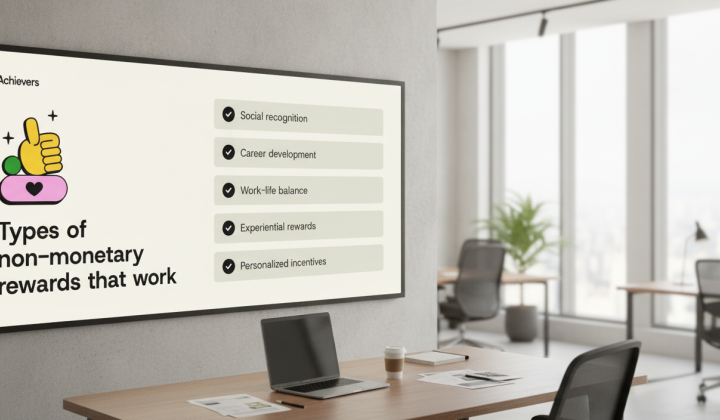
The Growing Role of Non-Monetary Incentives in Today’s Workplace
According to Achievers: In the evolving landscape of work, non-monetary incentives are gaining significance among employees. These rewards include recognition, growth opportunities, and meaningful goals-often referred to as emotional compensation. Despite their importance, research reveals that only 11% of HR leaders report frequent use of intangible benefits such as flexible schedules and additional time off. This suggests many organizations may be overlooking the powerful impact these perks have on employee engagement and retention.
Why Employee Recognition Matters
A 2026 study by the Achievers Workforce Institute found that 44% of employees valued specific, non-financial recognition as their most meaningful form of acknowledgment. Workers who receive weekly recognition are over four times more likely to feel engaged and nearly five times more connected to their colleagues. They are also almost 12 times more likely to participate in coaching and over eight times more likely to experience managerial support for their development. Moreover, employees who feel appreciated and involved are 47 times more likely to report that their wellbeing is supported.
To enhance non-monetary rewards, organizations should:
- engage employees to understand what matters most to them;
- ensure benefits are easily accessible;
- remove unnecessary obstacles;
- provide managers with clear guidance.
Notably, 30% of workers believe that access to a reward marketplace helps shape positive behaviors and supports retention efforts.
A prime example of successful implementation is General Motors, which partnered with Achievers to launch a global employee recognition platform. Within the first month, 87% of GM’s workforce participated, sending 80,000 recognitions. Since then, 90% of employees continue to engage monthly, including 80% of managers. The program serves 67,000 employees across 26 countries, demonstrating its effectiveness in fostering engagement worldwide.
These findings highlight that non-monetary rewards can play a crucial role in attracting and retaining top talent, ultimately contributing to an organization’s overall success.
The increasing emphasis on intangible incentives reflects a shift in talent management strategies. Companies embracing such programs stand to gain competitive advantages through higher employee engagement, which drives productivity. Successful cases like General Motors illustrate how consistent recognition strengthens corporate culture and builds team cohesion.
As organizations increasingly recognize the value of non-monetary rewards, exploring effective platforms can enhance these initiatives. For instance, understanding how various employee reward systems operate may provide insights into boosting motivation and productivity in the workplace, complementing the strategies employed by companies like General Motors.

Read also