For the First Time in 30 Years, the Netherlands Builds a POW Camp Amid Russian Threats

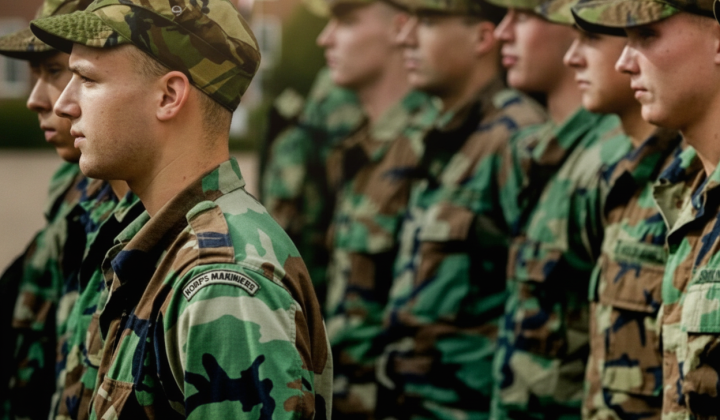
Dutch Army Conducts Drills for Setting Up a Prisoner of War Camp
According to Главком: As part of preparations for a potential military confrontation with Russia, the Dutch army has carried out exercises to establish a prisoner of war camp-the first such drills in over three decades. These maneuvers took place at the Marnehuizen training ground in the province of Groningen and are part of broader NATO efforts amid rising tensions with Moscow.
The planned camp will have a capacity of up to 2,000 individuals. Under the new concept, prisoners of war will be housed in modular barracks equipped with bunk beds, with up to 20 people per room, regardless of military rank. The project also includes recreational areas, a medical station, shower facilities, and a dining hall.
Dutch Land Forces Operational Support Commander Nicole de Wolf stressed that 'detention conditions must comply with international standards' and added that 'prisoners of war can expect living conditions no worse than those of Dutch military personnel.'
The drills also marked a shift away from traditional security measures such as barbed wire, floodlights, and machine-gun towers. Instead, the Dutch army plans to rely on modern technologies, including artificial intelligence systems, cameras with motion and sound detection, and drones. This reflects a new approach to handling prisoners of war.
NATO’s Readiness to Respond to Aggression
German Air Force Chief Holger Neumann emphasized the importance of NATO being prepared to counter possible Russian aggression, stating that 'NATO must be ready to respond immediately to any potential Russian aggression.'
In the event of a Russian attack on a NATO member state, potential targets could include:
- The Kaliningrad region
- The Kola Peninsula
- Saint Petersburg
- Russia’s Black Sea Fleet forces
These exercises highlight a shift in military strategy for the Netherlands and other NATO countries as they adapt to new security challenges. With growing tensions between NATO and Russia, enhancing readiness to manage prisoners of war has become a crucial component of military training. The adoption of cutting-edge technology in camp security underscores a drive to modernize military service and safety measures in the face of escalating aggressive actions by Russia.
As NATO enhances its military readiness in response to escalating tensions with Russia, recent developments highlight the alliance's strategic adaptations. For instance, in a related move, NATO has established an underground operations center in a London Tube station to simulate potential conflict scenarios. This reflects a broader commitment to ensuring that member states remain prepared for any unforeseen challenges.

Read also