Germany Slashes Asylum Approval Rate for Russians to Just 4% in 2024

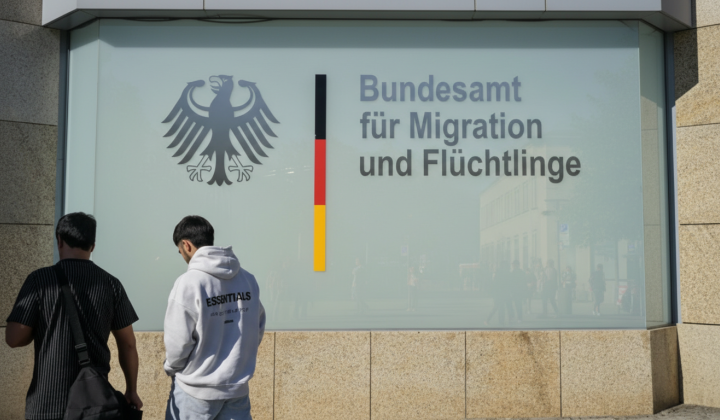
Sharp Decline in Approved Asylum Applications
According to ХВИЛЯ: Germany has drastically reduced the number of approved political asylum applications from Russian citizens who fled forced military mobilization. Since the start of 2022, over 8,000 Russian men of conscription age have sought asylum in the Federal Republic of Germany. However, only 416 individuals have been granted refugee status or another form of protection, amounting to roughly 5% of the total applicants. This policy shift reflects a broader European trend of tightening asylum rules in response to increased migration pressures.
The approval rate has fallen further to 4% for the 2024-2025 period. This change in policy is linked to a general tightening of migration rules under Chancellor Friedrich Merz's government. The Federal Office for Migration and Refugees (BAMF) has begun issuing mass rejections of asylum applications from Russians. BAMF justifies these decisions by arguing that active mobilization is allegedly no longer taking place in the Russian Federation, and that deserters face only an administrative fine, not persecution.
Concerns from Human Rights Advocates
The situation has raised alarm among human rights defenders. Alexey Alshansky, a representative of one such organization, noted:
'European politicians say Russians need to fight against Putin. At the same time, people who actually refused to fight for Putin and went through a very difficult journey receive no help from these same countries.' - Alexey Alshansky
The sharp reduction in approved asylum applications for Russian citizens in Germany underscores a shift towards a more restrictive national migration policy. This may indicate growing pressure on European countries to control migration flows, especially amid global political and social changes. Meanwhile, rights advocates emphasize the importance of a humane approach towards individuals avoiding military service in a wartime context, warning this could exacerbate human rights issues. Consequently, the situation requires continued monitoring and analysis to understand its implications for Russian refugees and the broader political landscape in Europe.

Read also