Repatriation to Bulgaria: conditions, documents, procedure


Bulgaria remains an unsuccessful choice for temporary relocation or permanent migration. This is especially relevant for those who have specific roots, that is, relatives from Bulgaria. Such a procedure is several times easier.
What is repatriation to Bulgaria
Bulgaria is one of the most attractive countries in the European Union for Ukrainians seeking European citizenship by proving their Bulgarian descent. The repatriation program, enshrined in Articles 10-15 of the Bulgarian Citizenship Act, offers a significantly simplified and expedited process compared to standard naturalization, which requires many years of residence in the country. For residents of the post-Soviet space, including Ukrainians, this is one of the fastest legal ways to acquire a European passport, so it is worth examining the program's conditions, necessary documents, and stages of status formalization in detail.
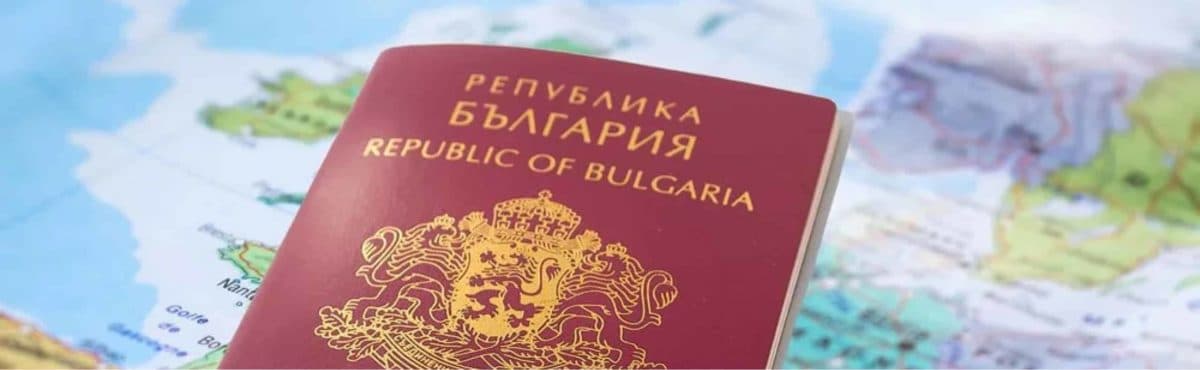
Repatriation to Bulgaria is a legally defined procedure for restoring or acquiring citizenship for individuals who can document their Bulgarian ethnic origin through direct relatives - parents, grandparents. Unlike standard naturalization, which requires long legal residence in the country, repatriation is based solely on the fact of blood ties of the applicant with a person of Bulgarian nationality and does not require mandatory prior relocation or residence in Bulgaria for a specified period.
The legal basis of the program is the Bulgarian Citizenship Act, adopted in 1999, which provides special, significantly simplified conditions for persons of Bulgarian origin residing abroad, particularly in the territories of the former Soviet Union. This norm takes into account the historical context of mass emigration and the dispersion of the Bulgarian diaspora due to political upheavals of the last century, granting descendants of ethnic Bulgarians the opportunity to restore legal ties with their ancestral homeland.
The main advantage of the repatriation route is the significantly shortened timeline for status formalization compared to standard naturalization: provided the correctly assembled document package, the procedure can be completed in approximately fourteen months, while conventional naturalization requires at least five years of continuous legal residence in the country.
Who can take advantage of the repatriation program
Individuals who can document the existence of direct Bulgarian nationality relatives - father, mother, grandparent - have the right to repatriation. It is important to note that a significant portion of the residents of Ukraine, Russia, Belarus, and Moldova are unaware of their Bulgarian roots in their ancestry, as not all have thoroughly researched their family history, and the Bulgarian diaspora has historically settled over a substantial territory of the former Russian Empire and Soviet Union, particularly in the modern territories of Odesa, Zaporizhia, and Mykolaiv regions of Ukraine.
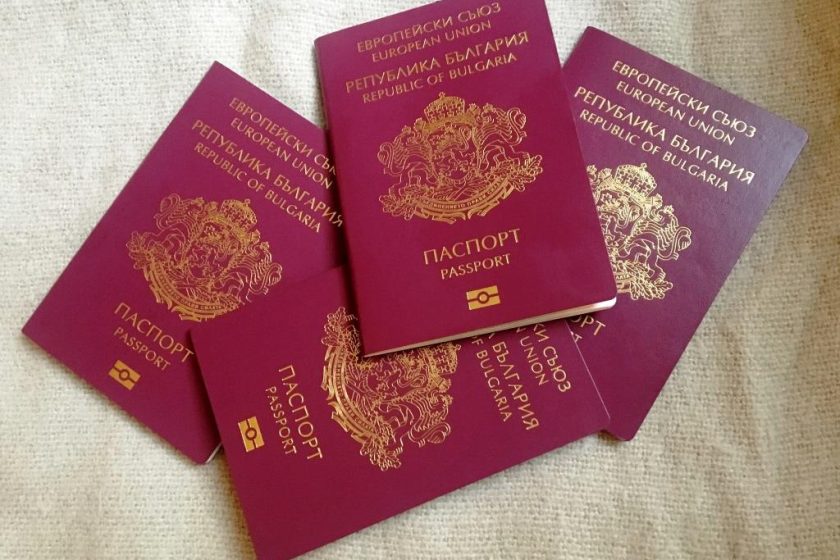
An applicant for repatriation must meet several basic criteria, including:
- Reaching the age of majority at the time of submitting the application for citizenship.
- Absence of a criminal record for serious crimes both in Bulgaria and in the applicant's country of permanent residence.
- Satisfactory state of physical and mental health, confirmed by relevant medical certificates.
- Absence of active actions directed against the constitutional order or national security of Bulgaria.
- Documented belonging to the Bulgarian people through direct lineage.
Unlike standard naturalization, the repatriation program does not require mandatory passing of an exam in the Bulgarian language or proving prior residence in the territory of the country, which significantly simplifies the procedure for applicants residing abroad.
Confirmation of Bulgarian descent
The key and most labor-intensive stage of the entire repatriation procedure remains the collection of documentary evidence that confirms the chain of kinship of the applicant with an ancestor of Bulgarian nationality. Such evidence includes birth certificates of parents, grandparents, marriage certificates that confirm family ties between generations, as well as archival documents that directly indicate the Bulgarian nationality of the ancestor - old passports, metric books, census records, or other official records indicating national affiliation.
Finding and obtaining such documents often requires contacting state archives in both the country of the applicant's current residence and directly with Bulgarian archival institutions, as a significant portion of the documentation related to the Bulgarian diaspora in the territory of the former Russian Empire is stored in the archives of these regions. In cases where direct documentary evidence is hard to find, auxiliary materials may be added to the case - family traditions, metric records from church parishes, historical references about the settlement of specific Bulgarian colonies or communities in modern Ukraine.
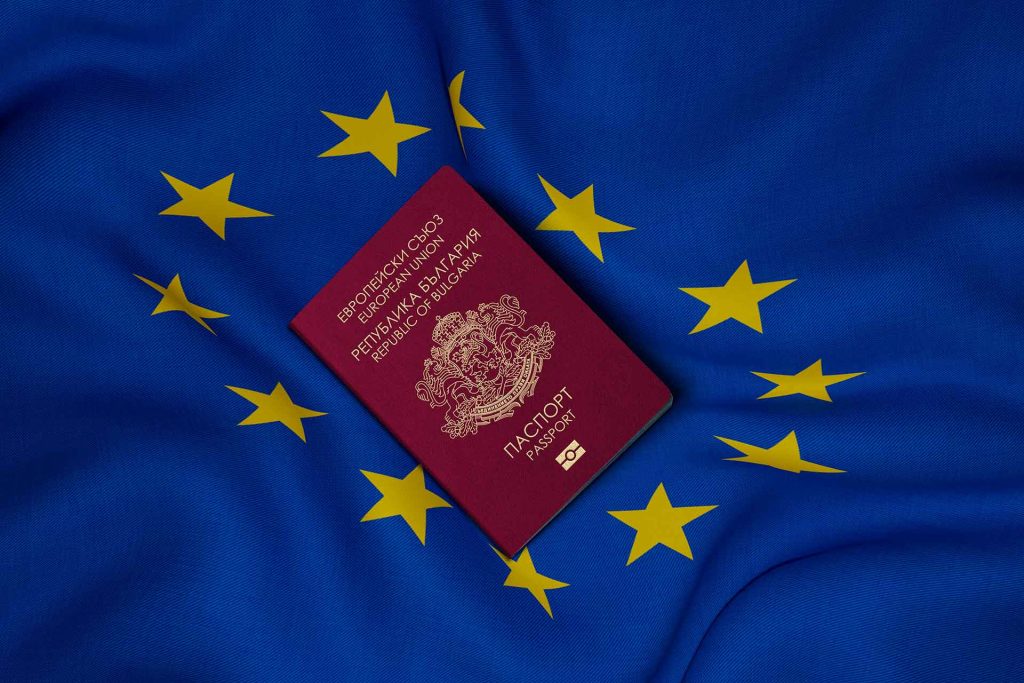
It is important to consider that the Bulgarian side conducts a thorough verification of the authenticity of the evidence submitted, and the applicant's case is reviewed by a special commission of the Ministry of Justice of Bulgaria, so the quality and completeness of the collected document package directly influence the duration of the review and the likelihood of a positive decision.
Documents for repatriation
The standard package of documents required for submitting an application for repatriation includes the following items:
- A completed application of the established form for acquiring Bulgarian citizenship.
- Personal documents of the applicant that allow tracing the chain of kinship with the Bulgarian ancestor - birth certificates of parents, grandparents.
- Marriage certificates of relatives in the line proving Bulgarian descent.
- Certificate of absence of criminal record issued by the competent authorities of the applicant's country of permanent residence.
- Medical certificates with wet seals, including a psychiatric dispensary certificate of no record and a therapist's certificate of absence of infectious diseases.
- A copy of the applicant's foreign passport and a document confirming the legality of their current place of residence.
Documents issued in Ukraine, Belarus, Moldova, Poland, Czech Republic, Hungary, and Austria usually do not require additional apostille due to existing bilateral agreements, while documents from other jurisdictions must undergo mandatory legalization with apostille before submission to Bulgarian competent authorities.
Stages of status formalization
The repatriation procedure begins with the collection of a complete package of documentary evidence of Bulgarian descent, after which the case is submitted directly to the Ministry of Justice of Bulgaria through the territorial representation in Sofia. The applicant is generally required to personally arrive in the capital of Bulgaria to submit documents and undergo an interview, during which representatives of the competent authority may additionally clarify the circumstances of the family background and the applicant's motivation.
After submitting a complete package of documents, the case is referred to a special commission that verifies the authenticity of the submitted evidence, if necessary, sending requests to archival institutions for additional confirmation of document authenticity. According to legislation, the authorized body has up to one year to make a decision regarding the granting of legal status; however, in practice, this period may vary depending on the complexity of the specific case and the completeness of the submitted materials.
In the case of a positive decision, the applicant is invited again to the Ministry of Justice to receive an official certificate of acquiring Bulgarian citizenship, after which they may apply to consular institutions or directly to Bulgarian authorities for the issuance of a national passport.
Obtaining citizenship after repatriation
After receiving the official certificate of citizenship acquisition, the applicant gains the full rights of a Bulgarian citizen, including the right to vote in national and European elections, unlimited right to reside, work, and conduct business across all European Union countries, as well as visa-free access to over 170 countries worldwide due to the status of a Bulgarian passport, which traditionally ranks high in global rankings of freedom of movement.
An important advantage of the repatriation route is the possibility of retaining previous citizenship, since for repatriates Bulgarian legislation does not require mandatory renunciation of citizenship of the country of origin, unlike the standard naturalization procedure. This allows applicants to acquire full status as a citizen of the European Union without losing legal ties with their own homeland.
Obtaining a Bulgarian passport also automatically extends to the ability to further formalize documents for minor children of the applicant, provided a separate package of documents confirming the child's kinship with the new Bulgarian citizen is submitted.
Typical difficulties and reasons for refusal
The most common reason for refusal of citizenship through repatriation remains insufficient or contradictory documentary evidence confirming the applicant's Bulgarian descent. There are often situations where archival documents contain discrepancies in the spelling of surnames due to historical changes in transliteration or administrative errors, which requires additional confirmation through expert opinions or additional archival sources.
Another significant difficulty is the duration of searching for archival documents, especially if the applicant's ancestors lived in an area that changed state ownership or administrative structure multiple times in the last century, leading to the loss, destruction during military actions, or scattering of significant portions of archives among various state institutions. In such cases, applicants often have to turn to archival search specialists or relevant legal consultants who have practical experience working with Bulgarian archival institutions.
Of course, this procedure is significantly easier than obtaining citizenship under general conditions. Therefore, it is worthwhile to prepare all necessary documents in order to expedite the entry into legal status.

Read also