EU Membership Without a Vote: Germany and France's Proposal for Ukraine

Divergent Proposals from Berlin and Paris
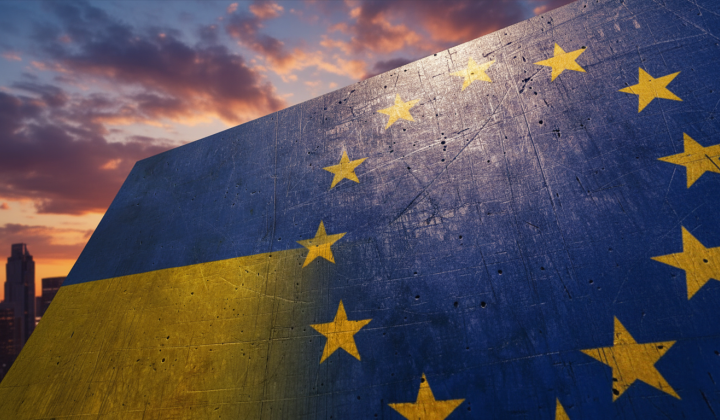
According to ХВИЛЯ: Germany and France have each drafted separate proposals outlining a special status for Ukraine on its path toward the European Union. These plans, which would not grant Ukraine voting rights in EU decisions or access to key EU funds, conflict with Kyiv's goal of achieving full membership by 2027. Germany is advocating for a status of 'associated membership,' while France is promoting the concept of an 'integrated state' status. This debate highlights the complex political calculus within the EU regarding further enlargement.
Delayed Access to Crucial EU Funding
Under the French proposal, Ukraine's access to the EU's Common Agricultural Policy (CAP) subsidies and Cohesion Funds would be postponed until after full accession. These agricultural and regional funds constitute roughly two-thirds of the EU's total budget, underscoring the proposal's significant economic implications for Ukraine. Despite this, President Volodymyr Zelenskyy continues to insist on Ukraine's EU membership by 2027, even as major EU nations reject the European Commission's proposal for a 'reverse enlargement' process.
The documents also note that a lighter form of membership could potentially include a clause on the EU's mutual defense commitment. However, France is demanding a referendum be held before any new country joins the EU, a requirement that could further complicate the accession process. Hungarian Prime Minister Viktor Orbán has already blocked the opening of membership talks with Ukraine, creating another major obstacle to the country's European integration prospects.
These developments have caused concern among Ukrainian officials and experts. One Ukrainian source speaking to the Financial Times remarked:
"These guys... need to understand that we are also needed. If they want real security, they must make a fair offer." - Financial Times
The situation surrounding Ukraine's European integration reflects the intricate political dynamics of the European Union, where each member state has its own interests and positions. Support for Ukraine's European aspirations remains a pressing issue, particularly given ongoing security threats in the region. It is crucial that negotiations continue, as their outcome will shape not only Ukraine's future but also the broader stability of Europe.
The ongoing discussions around Ukraine's EU integration have been further complicated by differing opinions on the timeline for membership. Recent insights suggest that the EU Commission views the 2027 target as unrealistic, raising questions about the feasibility of the proposals put forth by Germany and France. This divergence not only reflects the internal EU dynamics but also underscores the urgency for Ukraine to navigate these challenges effectively in its pursuit of full membership.

Read also