Germany Admits It Was Late in Countering Russian Hybrid Attacks

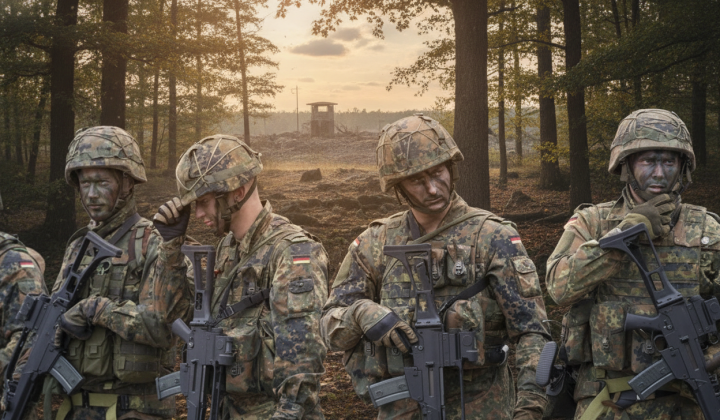
Germany Steps Up Focus on Hybrid Threats
According to Главком: Colonel Sönke Marahrens, a representative of the Bundeswehr’s Center for Digitalization and Capability Development within the Cyber Information Command, stated that Germany was slow to recognize the full scale of hybrid attacks originating from Russia. His remarks came during the New Age Defence security conference in Berlin, where he outlined various forms of these attacks, including:
- sabotage operations;
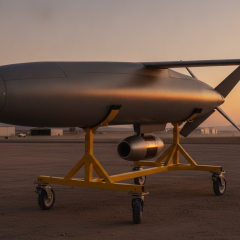
- drone deployments;
- disinformation campaigns;
- exploitation of political and judicial systems;
- use of disposable agents.
Marahrens cited incidents such as unidentified drones flying over critical infrastructure sites in Germany and other European nations as examples. He stressed the urgent need for faster crisis response and called for expanding the authority of Germany’s National Security Council to enable quicker decision-making during emergencies. Drawing a comparison to Finland, he noted that after an underwater cable was damaged in the Baltic Sea, Finnish authorities managed to detain a vessel in under an hour.
It is worth noting that Russia’s Baltic Fleet previously conducted military drills in the Kaliningrad region, involving warplanes, missile ships, and ground units. In response, NATO nations are currently holding their largest naval exercises of the year in the Baltic Sea, with around 20 ships from 15 countries and approximately 6,000 military personnel taking part.
Lessons from Ukraine
Marahrens emphasized that one of the most critical lessons Germany can learn from Ukraine is the ability of society to remain resilient during wartime. This statement highlights the importance of adapting to new challenges as Germany rethinks its security and defense posture.
His comments reflect growing concern among German military and political leaders over the threats posed by Russia’s intensifying hybrid strategies. This underscores the need for Germany to reassess and strengthen its national security framework, including improving the speed of crisis response. Given the current geopolitical landscape in Europe, such measures could prove vital for ensuring regional stability and security.

Read also