Germany Unveils Sovereign AI Cloud to Rival US Tech Giants, Powered by 10,000 Chips

Germany Launches Industrial-Scale AI Cloud Platform
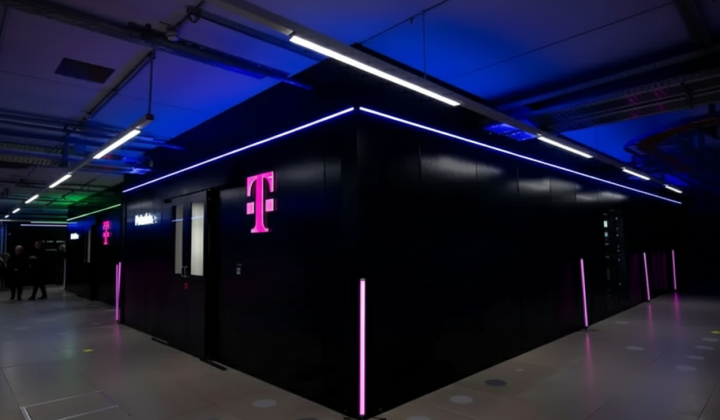
According to Главком: In February, Germany activated a major industrial AI cloud infrastructure, a project spearheaded by Deutsche Telekom. Built over six months in Munich's Tucherpark office district, the platform is equipped with approximately 10,000 NVIDIA Blackwell graphics processing units. It is designed to simultaneously serve up to 450 million EU citizens with AI assistant tools. This move is a strategic effort to reduce Europe's reliance on American technology providers and assert greater digital sovereignty.
The infrastructure targets large industrial firms, research institutes, the public sector, and AI application developers. Already operating at over one-third of its total capacity, early adopters of the platform include companies like Agile Robots and PhysicsX.
"We are investing in AI, in Germany as a business location, and in Europe. Our AI factory in Munich is the foundation for innovative business models, for industry, startups, government – and for sovereignty." - Tim Höttges, CEO of Deutsche Telekom
Major Tech Investments Amid Economic Shifts
This initiative is part of a broader high-tech development program launched by Chancellor Friedrich Merz. The program allocates 18 billion euros through 2029 to advance key fields, including:
- Artificial Intelligence
- Quantum Computing
- Microelectronics
- Biotechnology
- Nuclear Fusion
- Climate-Neutral Mobility
The German Ministry of Economics forecasts that AI adoption could add at least one percentage point to the country's annual GDP growth starting this year.
However, Germany faces concurrent economic challenges. In 2025, German exports to China fell to 81.8 billion euros; since a 2022 peak, shipments of German goods to China have contracted by nearly a quarter. Notably, German automobile exports to China plummeted by 66 percent.
"Artificial intelligence demands industrial scale. Germany possesses one of the world's largest collections of industrial data." - Antonio Krüger, CEO of the German Research Center for Artificial Intelligence (DFKI)
Industrial AI could prove a vital tool for Germany to help counter China's advance in global markets. At the same time, the nation must prepare for a gradual transition toward a service-based economy, particularly in digital services. Krüger emphasized that while industrial manufacturing will remain a leading economic force for the next five to ten years, it will no longer be the single most dominant sector.
Germany is thus aggressively deploying cutting-edge technologies to bolster its global competitiveness, leveraging its economic and infrastructural strengths within the AI development landscape. The launch of its industrial AI cloud marks a significant step in the global tech race, especially amid rising competition from China. Successful implementation of these projects will not only strengthen the national economy but also foster new business models and innovations critical to Germany's future international standing, with a substantial impact on the broader European economic landscape.

Read also