NATO's Baltic Air Policing: German Pilots Intercept Dozens of Russian Aircraft Monthly

German Pilots on NATO's Eastern Flank
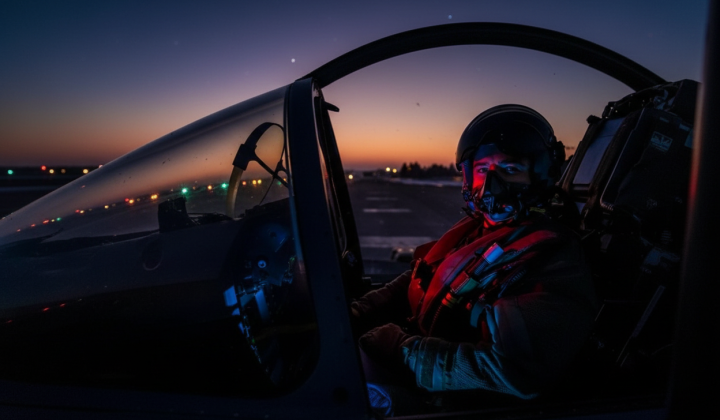
According to Главком: From their base in Malbork, Poland, near Russia's Kaliningrad exclave, German fighter pilots conduct regular patrols to intercept Russian military aircraft approaching NATO's eastern borders. These missions are part of NATO's long-standing air policing duties, which have taken on renewed urgency. Approximately 40 such interceptions occur each month along the alliance's eastern flank. Alerts are frequent, leaving pilots only minutes to scramble. The aircraft intercepted are typically Russian military planes flying with their transponders switched off as they near NATO airspace.
Airspace Violations Over Estonia
In a recent incident, three Russian MiG-31 fighter jets entered Estonian airspace over the Gulf of Finland without authorization, remaining there for a total of 12 minutes. In response, Estonia's Ministry of Foreign Affairs summoned Russia's chargé d'affaires to discuss the violation. Such provocations are a recurring challenge for the Baltic states, which rely on NATO allies for their air defense.
Bundeswehr pilots describe the intense routine of their scramble missions:
"The moment the alarm sounds, every second counts. We pull on our vests, grab our helmets, and sprint to the vehicles that take us to the aircraft. We jump into the cockpit, the ground crew prepares everything, seals the canopy, and pulls the safety pins from the missiles."
They also note the need for flexibility when monitoring Russian aircraft: "Naturally, you can see the armament the Russian planes are carrying. In such a situation, you have to be adaptable. We approach, observe what they are doing, and fly alongside them for a time. I always keep in mind that we are all human, Russians included. But ultimately, it's just a button press away-and a missile is flying."
These frequent German patrols highlight the escalating tensions in the region, particularly in light of repeated Russian military aircraft incursions into Baltic airspace. This underscores NATO's need to maintain readiness against potential threats and reinforces the critical role of air policing in safeguarding the territorial integrity of Alliance members. The operational coordination between NATO members like Germany and Estonia also demonstrates a collective response to regional security challenges.
As tensions escalate in the region, NATO's vigilance remains crucial. The recent incursion by Russian aircraft into Estonian airspace further highlights the ongoing challenges faced by the alliance. For a deeper understanding of NATO's response to these airspace violations, you can read more about the incident involving a Russian Su-30 fighter here.

Read also