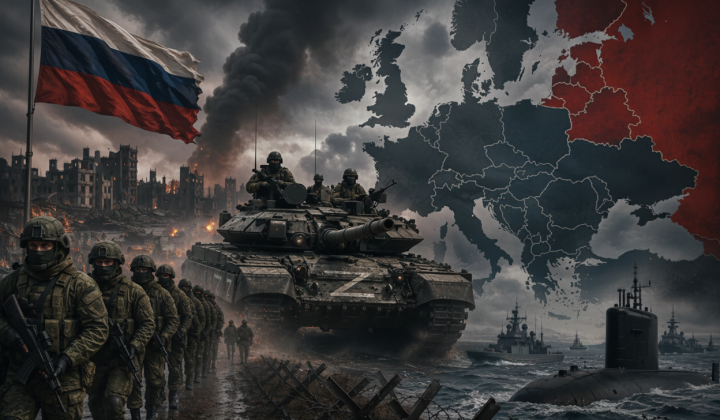
Retired German General Warns of a New Russian Conflict Brewing in the Baltic Region

Growing Anxiety Over a Potential Escalation
According to Главком: In an interview with the German outlet WELT, retired Lieutenant General Jürgen-Joachim von Sandrart raised alarms about the possibility of Russia launching a new, limited military conflict-even while its war against Ukraine remains unresolved. He argued that the Kremlin is actively preparing to widen hostilities in the Baltic area, a development he called a troubling signal for Europe. For context, the Baltic region has long been a flashpoint in NATO-Russia tensions, with member states like Estonia, Latvia, and Lithuania particularly vulnerable due to their proximity to Russian borders.
According to von Sandrart, Russia is steadily increasing its military forces and weapons production to levels that already exceed what is needed for the war in Ukraine. He also pointed to a structural reorganization of Moscow's army, which includes the formation of new military units in western districts stretching from Finland to Poland.
“Russia is on the verge of continuing the war beyond Ukraine, especially in the Baltic region-if an opportunity arises,” emphasized General Jürgen-Joachim von Sandrart.
Von Sandrart stressed that a direct attack on NATO is currently deterred by the severe consequences Russia would face. However, he noted that European politicians are worried that Vladimir Putin might use the next one to two years to test NATO's resolve. This timeframe is seen as a window of opportunity for the Kremlin, particularly given the potential for the United States to distance itself from Europe under a possible Donald Trump presidency.
Potential Threats and the Urgent Need for Vigilance
The European Union's own military capabilities have not yet been strengthened, adding to the unease among European nations.
“The key question isn't whether Russia can do this, but whether it sees a convenient moment and a benefit,” von Sandrart concluded.
These observations highlight a worsening security situation in the region and underscore the need for heightened alertness from European states.
Von Sandrart's remarks emphasize the importance of strategically monitoring Russia's actions as the security landscape in Europe grows more tense. Potential threats to the Baltic countries could serve as a catalyst for NATO to bolster its defense capabilities and for European nations to deepen their cooperation. Proactive measures may be essential to prevent new conflicts in a region where historical tensions and military interests intersect. As a result, the Baltic area remains under close scrutiny from international analysts and policymakers alike.
As tensions mount, the potential for further Russian military actions in Europe raises critical concerns. For a deeper understanding of the Kremlin's possible future targets and the implications for regional security, explore what analysts are saying about the risks of Russian aggression in Europe. Read more about the situation here.

Read also