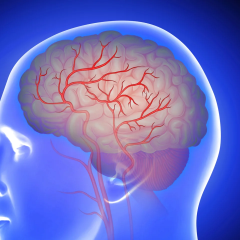
Johns Hopkins Study Links Lower Spinal Bone Density to Faster Cognitive Decline

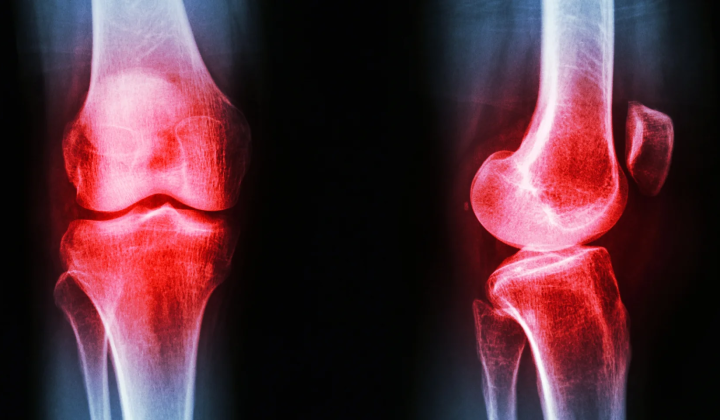
Exploring the Connection Between Bone Density and Brain Function
According to НВ — Техно: Researchers at Johns Hopkins University have uncovered an association between reduced bone density in the spine and accelerated deterioration of cognitive abilities, alongside age-related changes in the brain’s white matter. This insight comes from an analysis of data from the Multi-Ethnic Study of Atherosclerosis (MESA), which included 715 participants. The team employed artificial intelligence alongside medical imaging techniques such as computed tomography (CT) and magnetic resonance imaging (MRI) to conduct their investigation.
Study Design and Key Findings
The researchers initially examined CT scans from 2,086 individuals to assess bone density in the thoracic spine. From this group, 715 participants with available brain MRI scans and cognitive test results were selected for detailed analysis. The study focused on two indicators of white matter condition in the brain:
- the presence of hyperintense lesions visible on MRI,
- reduced fractional anisotropy, a measure of white matter integrity.
Participants exhibiting lower spinal bone density experienced a more rapid decline in cognitive function over time.
These brain changes were notably concentrated in the corpus callosum, a region critical for memory, attention, and executive functions. Additionally, degeneration was observed in the anterior limb of the internal capsule, which plays a role in planning and action control. While these findings reveal important correlations, the study does not establish a direct cause-and-effect relationship between bone weakening and dementia. Shared underlying factors, such as insulin resistance, lipid metabolism disorders, and hormonal shifts during menopause, may contribute to both bone and brain changes.
The researchers highlight the potential of using chest CT scans-commonly performed for other medical reasons-to screen for spinal bone density and identify individuals at risk of cognitive decline. As Sarah Momtazmanesh, one of the study’s authors, explained,
“these scans provide an opportunity to assess spinal bone density as an additional measure.”
She also noted that
“artificial intelligence can automate this evaluation process, helping to detect subtle age-related changes that might be overlooked in routine exams.”
Further studies are needed to clarify the biological mechanisms linking bone health and brain function.
This research emphasizes the importance of evaluating bone density as a possible early warning sign for cognitive impairment, which could be valuable for timely diagnosis and prevention of dementia among older adults. Given the growing aging population worldwide, understanding how physical and cognitive health are interconnected is increasingly critical. Future investigations may pave the way for innovative strategies to enhance the quality of life for seniors.
In addition to the findings from Johns Hopkins, another study conducted by the University of Georgia highlights how excess weight may also be a contributing factor to cognitive decline in adults over 50. This research emphasizes the complex interplay between physical health and mental acuity, suggesting that various lifestyle factors could significantly influence brain function as we age. For more insights on this topic, you can read about the connection between weight and cognitive decline here.

Read also