EU Strengthens Baltic Sea Security with Launch of Semi-Autonomous Vessel EUROGUARD

Boosting Europe's Maritime Defense Capabilities
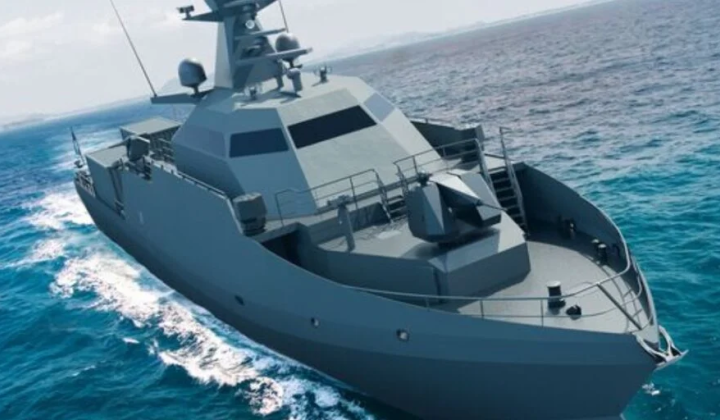
According to НВ — Техно: In 2023, Europe took a significant step in enhancing the security of its maritime infrastructure in the Baltic Sea by launching the semi-autonomous EUROGUARD vessel in Estonia. Initiated in 2022, this project brings together 29 organizations from ten European countries, backed by a budget of approximately €95 million, including €65 million funded by the European Defence Fund.
Capabilities and Specifications of EUROGUARD
The EUROGUARD vessel is engineered to perform a wide array of tasks such as:
- maritime surveillance
- intelligence gathering
- mine countermeasures
- drone deployment
- rescue missions
- seabed monitoring
- supporting anti-submarine and anti-ship operations
Constructed at the Baltic Workboats shipyard in Nasva, Estonia, EUROGUARD measures 45 meters in length with a beam of 9.4 meters. It has a maximum displacement of 335 tons and can carry up to 100 tons of payload. Powered by a hybrid propulsion system, the vessel can reach speeds exceeding 37 km/h and sustain operations autonomously for up to 10 days. Its operational range surpasses 3,700 kilometers, making it highly effective for extended maritime missions.
The project is scheduled for completion by the end of 2027. As a technology demonstrator, EUROGUARD is designed to test autonomy and modular compatibility, capable of operating with or without a crew onboard. According to the European Commission,
“it will help safeguard the EU’s eastern flank and advance the EU’s Readiness 2030 ambitions,”
highlighting the vessel’s critical role in securing maritime infrastructure amid evolving security challenges.
The introduction of EUROGUARD reflects Europe's growing commitment to maritime security, particularly in the face of increasing geopolitical tensions in the Baltic Sea region. Beyond enhancing the defense capabilities of participating nations, this vessel is poised to become a key asset in maintaining the stability and security of vital sea routes, which are essential for regional trade and economic growth.

Read also