Small Vessel Brain Damage, Beyond Alzheimer’s, Linked to Memory Decline in the Elderly

Memory Loss in Older Adults: More Than Just Alzheimer’s
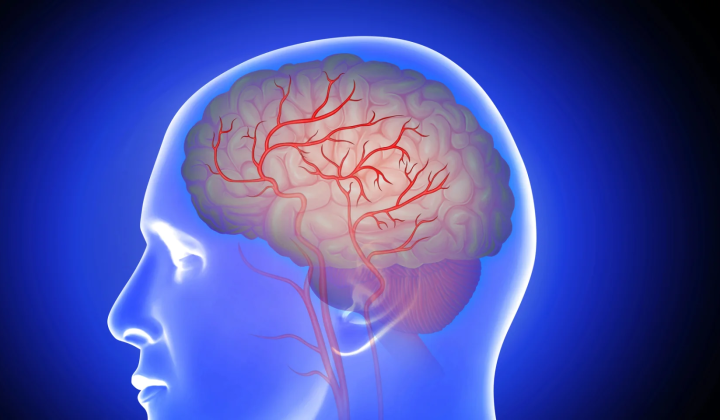
According to НВ — Техно: Researchers have identified an additional factor contributing to memory decline in aging populations. A study from the University of Kentucky reveals that damage to small blood vessels in the brain independently contributes to cognitive deterioration in older adults, separate from Alzheimer’s disease. These findings were published in the journal Brain. The study analyzed data from 1,269 participants who underwent cognitive testing during their lives and had their brains examined postmortem. The average age at death among participants was 84 years.
Study Details and Key Findings
The investigation focused on five types of vascular abnormalities, including cerebral amyloid angiopathy and arteriolosclerosis, while adjusting for factors such as age, sex, education, and genetic risk. Approximately 56% of the subjects had cerebral amyloid angiopathy. Cognitive impairment associated with this condition was largely explained-between 60% and 90%-by Alzheimer’s-related brain changes. Still, the link between small vessel damage and reduced cognitive function remained significant even after accounting for these Alzheimer’s markers. Moderate to severe arteriolosclerosis was found in about 41% of participants.
Most participants-around 95%-were white and highly educated. Brain assessments were conducted after death. As researcher Sellas Hays noted,
“Our study demonstrated that small vessel brain damage correlates with worse memory and thinking abilities, independent of Alzheimer’s disease pathology.”
These results highlight the need for further research on more diverse populations to better understand how vascular conditions affect cognition in older adults.
This study emphasizes the importance of considering factors beyond Alzheimer’s when addressing memory and cognitive decline in seniors. Vascular damage may play a crucial role and warrants increased attention from healthcare providers and neuropsychology researchers. Future exploration of these relationships could pave the way for innovative strategies to prevent and treat cognitive disorders in the elderly.
The findings of this study not only shed light on the complexities of cognitive decline but also align with other research highlighting the impact of specific proteins on brain function. For instance, recent investigations have shown how the accumulation of tau protein disrupts deep sleep brain waves, further complicating memory retention in older adults. To explore this connection between sleep disturbances and cognitive health, read more about how tau protein influences brain activity here.

Read also