NERC approved the increase in gas distribution tariffs: how prices will change from 2026

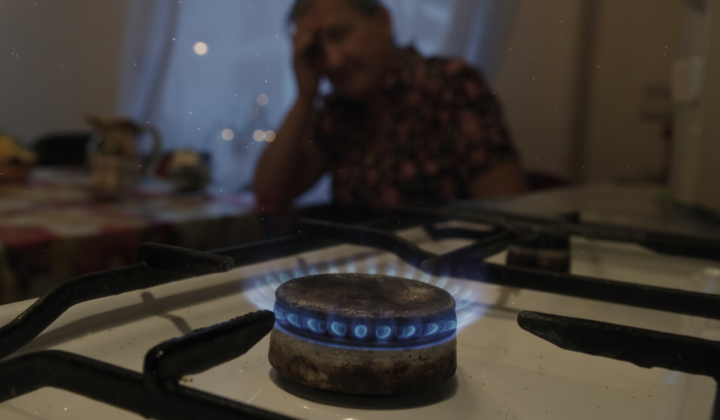
Increase in Gas Distribution Tariffs in Ukraine
According to ХВИЛЯ: The National Commission for State Regulation of Energy and Public Utilities (NERC) approved the increase in gas distribution tariffs in Ukraine, which will take effect on January 1 and April 1, 2026. The corresponding draft resolutions were approved on December 2, 2023. The final decision on new tariffs is expected by the end of 2025.
According to the new plans, tariffs for household consumers will remain unchanged. Currently, there is a moratorium on tariff increases during martial law and for six months after its conclusion. The increase in tariffs entails an average growth of 76% from April 1, 2026.
Regional Variations of Tariffs
Specific tariffs in the regions will vary:
- The lowest tariff will be in the Kharkiv branch: 0.65 UAH/cubic meter from January and 0.78 UAH/cubic meter from April 2026.
- The highest tariff will be in CHAO 'Hadyachgaz': 3.16 UAH/cubic meter from January 1 and 3.95 UAH/cubic meter from April 1, 2026.
- The Dnipropetrovsk branch of GRMU will raise the tariff to 3.66 UAH/cubic meter from April 1, 2026.
- The Transcarpathian branch will raise the tariff to 2.48 UAH/cubic meter from the same date.
Sergey Skiba, a representative of NERC, noted that this increase will partially compensate for the losses that the commission currently faces.
Thus, changes in gas distribution tariffs will affect a significant portion of consumers, however, household tariffs will remain unchanged under the current moratorium.
The increase in gas distribution tariffs is an important step for NERC, as it aims to cover the commission's financial expenses. In the context of war and economic instability, maintaining tariffs for household consumers may help avoid additional financial burdens on the population. However, regional variations in tariffs may lead to unequal conditions for consumers in different parts of the country, which will require further monitoring and analysis of the situation in the energy sector.

Read also