Gasoline Sales Restricted by Occupying Forces in Luhansk Region

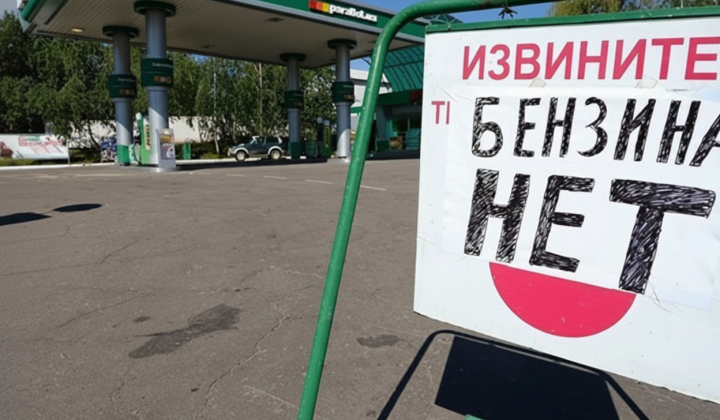
Fuel Purchase Limits Imposed in Luhansk Region
According to Главком: In the temporarily occupied parts of Luhansk Oblast, authorities have introduced restrictions on gasoline sales. The Kremlin-backed LNR administration now allows no more than 20 liters of fuel per person at gas stations. This measure was prompted by a sharp surge in demand and ongoing supply chain issues for petroleum products.
Reasons Behind and Consequences of the Restrictions
The occupying LNR government states that these restrictions are temporary and will remain in effect until fuel deliveries stabilize. The limits in Luhansk came just days after similar measures were enacted in occupied Crimea and Sevastopol. In Crimea, AI-95 gasoline is sold only via coupons, while AI-92 is capped at 20 liters per vehicle. In Sevastopol, since the night of June 3, fuel has been reserved exclusively for emergency services.
These restrictions stem from attacks on Russian fuel infrastructure and altered supply routes. The Kerch Bridge has not been used for fuel transport since 2022 due to security concerns, and in April, Ukrainian intelligence disabled the last operational railway ferry, the Slovyanin. As a result, the fuel supply situation in occupied territories remains precarious.
The imposition of gasoline sales limits in occupied areas highlights severe fuel supply difficulties faced by the LNR administration.
These measures could impact population mobility and the regional economy, as restricted access to fuel may drive up prices and create shortages. Given similar restrictions already in place in Crimea, the situation may indicate broader supply problems across the region, underscoring the vulnerability of occupation administrations amid ongoing military conflict and economic isolation.
The recent fuel restrictions in the Luhansk region echo similar challenges faced in southern Ukraine, where rationing measures have been implemented due to severe shortages. This situation raises concerns about the broader implications for fuel availability across occupied territories, as both regions grapple with supply chain disruptions and heightened demand amidst ongoing conflict.

Read also