Fuel Prices in Ukraine Updated: What You’ll Now Pay for Petrol and Diesel

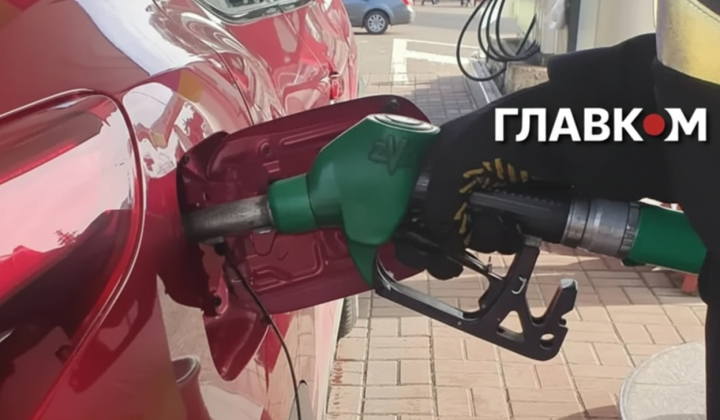
Fuel Price Update in Ukraine as of June 3, 2026
According to Главком: As of June 3, 2026, Ukraine has released updated fuel prices. The average cost of A-95 petrol is 76.70 UAH per liter, while diesel stands at 86.84 UAH per liter. Prices vary depending on the fuel station chain. The most expensive options come from OKKO, WOG, and SOCAR, whereas the cheapest fuel can be found at Ukrnafta and BRSM-Nafta stations.
Fuel Prices Across Different Station Chains
For instance, at UPG, A-95 costs 75.40 UAH per liter, and diesel is priced at 84.26 UAH per liter. At OKKO stations, A-95 reaches 79.90 UAH per liter, with diesel at 88.90 UAH per liter. WOG also lists A-95 at 79.90 UAH and diesel at 88.90 UAH. The KLO chain offers A-95 for 73.90 UAH per liter, while diesel is 86.40 UAH per liter. SOCAR charges 79.90 UAH for A-95 and 88.90 UAH for diesel. Ukrnafta sells A-95 at 74.90 UAH and diesel at 85.90 UAH. BRSM-Nafta provides A-95 for 73.99 UAH and diesel for 81.99 UAH.
A cashback program that ran from March 20 to May 31, 2026, has now ended. This initiative was used by 2.3 million Ukrainians. It offered 15% back on diesel, 10% on petrol, and 5% on autogas.
Several reasons for rising fuel prices are being discussed, including a diesel shortage. Ukraine has entered the top ten countries with the fastest diesel price increases, seeing a 33.9% rise. Diesel supply volumes in March remained at 2025 levels. From February 26 to March 31, diesel prices according to Platts surged by 86%, while import prices grew by 58%. Over the same period, station prices climbed 39% for diesel and 16% for petrol.
'Nearly all light petroleum products, in percentage terms, are over 85% dependent on imports of oil products.' - Pavlo Kyrylenko
Additional factors driving fuel price increases include:
- rising demand coupled with shrinking supply and reserves;
- higher actual costs of purchasing oil products;
- forecasts of further increases in oil product production costs;
- rising logistics service expenses.
It is also worth noting that comparing storage conditions and volumes of fuel within Ukraine is not feasible.
Overall, the fuel market in Ukraine remains under pressure from various factors affecting both prices and fuel availability for consumers. Rising fuel costs could have broad economic impacts, including on consumer spending and inflation. Given declining domestic production and heavy reliance on imports, the future trajectory will depend on global oil prices and international political and economic conditions.

Read also