A New Threat Emerges: 'Gingerbread' 3D-Printed Booby Traps Endanger Ukrainian Civilians

The Scale of Ukraine's Mine Contamination
According to Главком: Ukrainian authorities are now reporting instances of remote mining using improvised explosive devices known as 'Gingerbread'. Experts estimate that a staggering 22% of Ukraine's territory, equivalent to over 133,000 square kilometers, is potentially contaminated with explosive ordnance. This crisis has already inflicted mine-blast injuries on 1,431 people, including 146 children, highlighting a severe and ongoing humanitarian danger.
Emerging Tactics and Official Guidance
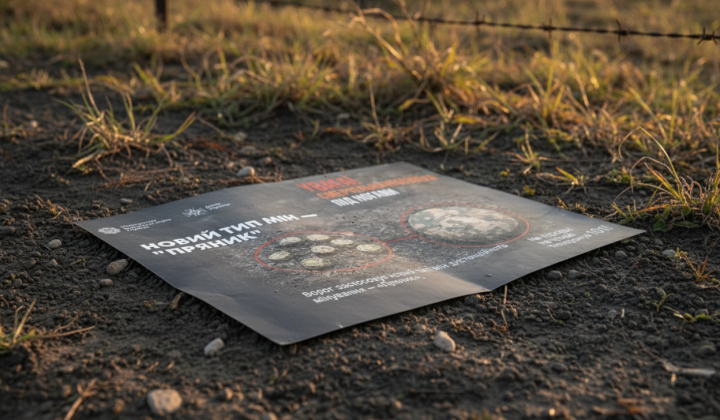
Russian occupation forces have begun deploying a new type of homemade anti-personnel mine in frontline areas of the Kherson region, fabricated using 3D-printing technology. This conflict has introduced a range of improvised threats alongside conventional munitions. Commenting on the broader contamination, Ihor Klymenko stated:
'22% of Ukraine's territory is potentially contaminated with explosive objects – that's over 133 thousand sq. km. A total of 1,431 people have suffered mine-blast injuries, among them – 146 children.'
In response, Ukraine's Ministry of Internal Affairs has issued critical safety recommendations for civilians who encounter a suspicious object. Key instructions include:
- Do not touch the explosive device;
- Immediately move to a safe distance;
- Report the discovery by calling 101 or 112;
The Ministry urgently warns the public:
'Never attempt to disarm an explosive device on your own.'
The widespread mining is a grim legacy of a war that has now lasted for years. The vast contaminated area presents a long-term threat to civilians, significantly increasing the risks of injury and death for the foreseeable future. Public awareness and strict adherence to safety protocols are essential to prevent further tragedies as Ukraine contends with this pervasive danger.
As the threat of improvised explosive devices grows, understanding the broader implications of Ukraine's mine contamination crisis becomes crucial. The ongoing efforts to secure the vast areas affected are vital for ensuring civilian safety. For a deeper insight into the measures being taken to address the contamination of 22% of the nation's land, visit the initiatives aimed at securing and safeguarding the population.

Read also