EU's New Russia Sanctions Package Faces Obstacles from Five Member States

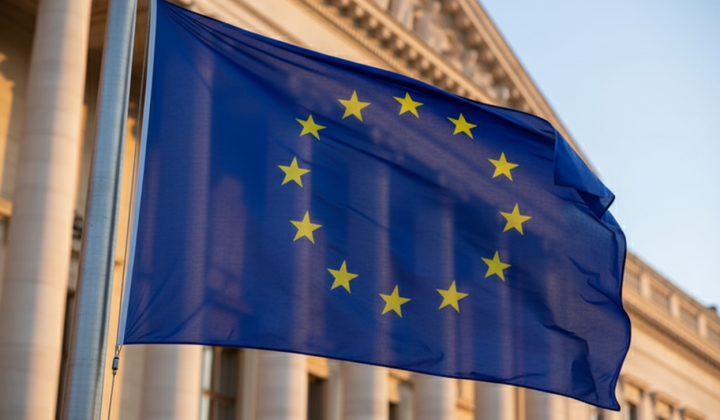
Disagreements Emerge Within EU Over Proposed Russia Sanctions
According to Главком: Plans for a new European Union sanctions package against Russia have hit a roadblock due to objections from five member states. Italy, Hungary, Greece, Malta, and Spain have all raised concerns about specific restrictions under consideration. The European Commission is pushing to expand sanctions, including new measures against third countries like Kyrgyzstan. However, unanimous support from all 27 EU members is required for the package to pass, a rule that often complicates foreign policy decisions.
Key Points of Contention
Debates are focused on proposals to sanction foreign ports and banks potentially used by Russia to circumvent oil restrictions. Italy and Hungary have expressed reservations about potential sanctions against the port of Kulevi in Georgia, a key entry point for Azerbaijani gas. Greece and Malta have also voiced concerns regarding a port in Indonesia that could be targeted.
Furthermore, Italy and Spain oppose the inclusion of a Cuban bank on the sanctions list. The European Commission, for its part, is proposing a ban on the export of machine tools and radio equipment to Kyrgyzstan. Since the start of the full-scale war, EU exports of sanctioned technologies to that country have increased eightfold, with re-exports of these technologies to Russia surging by 1000%.
Greece and Malta have objections to a separate proposal to replace the current price cap on Russian oil with a complete ban on transport services. Hungary, meanwhile, insists on removing certain Russian sports officials from the sanctions list. Brussels aims to finalize the new restrictions by February 24th, but achieving the necessary unanimous support remains a significant challenge. These disputes highlight the difficulty of maintaining a unified EU foreign policy, especially when member states have varying economic interests and energy dependencies.

Read also