Mojtaba Khamenei's Rise: Military Service and IRGC Ties Shape Iran's New Supreme Leader

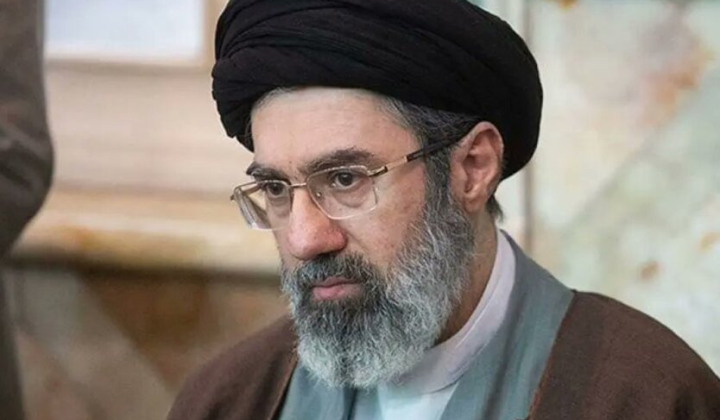
The Political Landscape of Iran and Mojtaba Khamenei's Influence
According to ХВИЛЯ: As Iran enters a new political era under Supreme Leader Mojtaba Khamenei, his military background and political connections come into focus. The son of the former Supreme Leader, Ali Khamenei, Mojtaba already wields considerable influence, in part due to his involvement with the Islamic Revolutionary Guard Corps (IRGC), Iran's most powerful military and security institution.
It is significant to note that Mojtaba Khamenei volunteered for the Iran-Iraq War front at the age of 17. This conflict began following Saddam Hussein's invasion of Iran, and his service earned him veteran status, highlighting a willingness to leave comfort behind for national duty. This war, a defining national trauma, continues to shape the ideology and leadership credentials of Iran's political elite.
“Mojtaba was one of them. He volunteered as a soldier when he was 17 and went to the front lines of the war.”
Farnaz Fassihi
This helps forge his image as a leader with genuine street credibility.
Political Activity and Impact on Iran
After the war, Mojtaba Khamenei moved to Qom, the center of Shia scholarship, a crucial step in his political formation. He later returned to Tehran to manage his father's political affairs. Reports indicate he held weekly strategic meetings with Hossein Taeb, the former head of IRGC intelligence, as well as with General Mohammad Bagher Ghalibaf. This demonstrates his active role in shaping Iran's policy and security apparatus.
“He has real street credibility. He fought in a war where, theoretically, the son of a powerful politician like his father did not necessarily have to participate.”
Michael Barbaro
This underscores that Mojtaba Khamenei's influence stems not only from his familial lineage but also from personal experience and active participation in Iran's pivotal historical events. Thus, Iran's new Supreme Leader represents not merely a dynastic inheritance but also a military record that could inform his future political decisions.
Assessing the situation in Iran, the new Supreme Leader, drawing on his military experience, has the potential to strengthen the country's positions on the international stage. His activity within the IRGC and his grounding in Shia theological traditions may influence Iran's domestic politics and its relations with other states. Given the complex geopolitical situation in the region, it will be important to observe the unfolding events and Khamenei's impact on Iran's future trajectory.
As Mojtaba Khamenei steps into his new role, understanding the implications of his selection by the Assembly of Experts is crucial. This decision not only reflects his military background but also sets the stage for potential shifts in Iran's political dynamics, raising questions about the future direction of the country under his leadership.

Read also