Winter Danger: Frozen Chimneys and the Risk of Carbon Monoxide Poisoning

Winter Danger: Frozen Chimneys and the Risk of Carbon Monoxide Poisoning
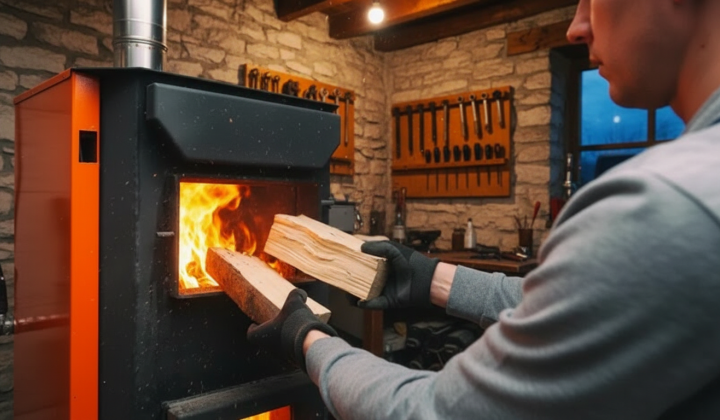
According to ХВИЛЯ: Experts are warning residents of Ukraine about a heightened risk of carbon monoxide poisoning this winter, caused by the freezing of chimney flues and ventilation ducts. This dangerous situation has become more common due to the sharp temperature swings and cycles of frost and thaw currently being experienced across the country. Specialists from the GasPravda advisory center explain that ice buildup in these channels can severely restrict the draft, creating a serious risk of toxic carbon monoxide accumulating inside homes.
The Consequences of a Frozen Flue
A blocked or frozen chimney can have deadly consequences. Ice obstructs the flue, impairing the draft and preventing carbon monoxide from being safely vented outside. Specialists stress that a proper draft is a critical matter of life and safety. Therefore, it is essential to check for adequate airflow before using any gas-powered appliance. If ice is discovered, the chimney and ventilation ducts must be cleared immediately.
Furthermore, it is absolutely forbidden to operate gas equipment if the draft is completely absent or is flowing in reverse. Experts strongly advise installing a carbon monoxide detector in the home, which will alert occupants to the presence of the toxic, odorless gas. These simple precautions can significantly reduce the risk of poisoning during the cold months. Carbon monoxide poisoning is a silent threat, as the gas is colorless and odorless.
“Ensuring safety in your own home is everyone’s responsibility.”
The issue of frozen chimneys is a vital concern, especially during winter when temperature fluctuations can create hazardous living conditions. Heeding expert advice-such as regularly checking ventilation and installing detectors-can dramatically lower the risk of accidents related to gas appliance use. Taking timely action can save lives.

Read also