Reducing Caloric Intake by 30% Significantly Lowers DNA Mutations in Mice, Especially in Liver Cells

The Impact of Calorie Reduction on DNA Mutation Rates in Mice
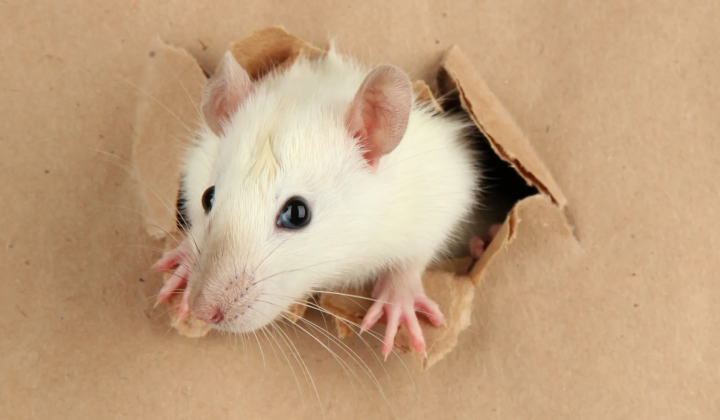
According to НВ — Техно: Scientists from NYU Langone Health and collaborating institutions have discovered that mice consuming 30% fewer calories accumulated fewer DNA mutations, with the most notable reduction observed in liver cells. This finding suggests that limiting caloric intake could influence the buildup of genetic alterations. However, further studies in humans are necessary before drawing definitive conclusions.
Key Findings of the Study
Using advanced DNA sequencing techniques, researchers examined genetic material from mice subjected to calorie-restricted diets. They found a decrease in various types of DNA mutations across multiple tissues, with the liver showing the greatest decline. The reduction in mutations varied by organ:
- The liver exhibited the most significant drop,
- followed by the kidneys,
- and then the brain.
DNA mutations arise due to damage or errors during DNA replication and repair processes. Calorie restriction affected different genomic regions unevenly, with the largest mutation decreases occurring in less active DNA segments of the liver and kidneys. More active genome regions undergo frequent DNA repair, which may explain this variation.
Previous animal studies have linked calorie restriction to increased lifespan and delayed aging-related changes. Nevertheless, researchers caution that substantial and prolonged caloric reduction can be difficult to maintain and may pose health risks. Therefore, they aim to investigate the biological mechanisms behind mutation reduction to develop strategies that protect DNA without strict dieting. This research was published on October 27.
These insights could be crucial for understanding aging processes and diseases tied to DNA mutation accumulation. If replicated in humans, the findings might pave the way for new dietary guidelines that lower genetic mutation risks without severe calorie limits. Future research may also contribute to innovative therapies designed to enhance health and longevity.
These findings align with recent research indicating that healthy eating patterns may decelerate the biological aging process. Understanding the relationship between diet and genetic stability could provide essential insights into longevity and age-related diseases, highlighting the importance of dietary choices in maintaining overall health.

Read also