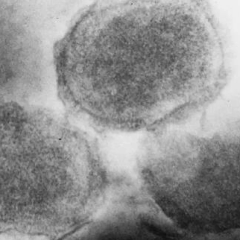
Scientists Harness Post-Mortem DNA Synthesis in Bacteria to Create Unique Molecular Structures

Molecular Zombies: Bacteria Continue DNA Production After Death
According to НВ — Техно: Researchers have uncovered that bacteria can keep synthesizing DNA even after they die, driven by the activity of dormant bacteriophages. Published in the journal Angewandte Chemie, this discovery offers promising new pathways for biotechnology, especially in fabricating specialized DNA architectures.
Key Experimental Insights
In their study, scientists subjected two bacterial species-Shewanella oneidensis and Bacillus subtilis-to starvation conditions. This stress activated latent bacteriophages within the bacteria, which then replicated and lysed the cells from inside. As a result, enzymes and DNA building blocks were released externally, enabling continued DNA synthesis within the biofilm even after bacterial death.
Importantly, bacteria lacking these dormant viruses showed no DNA production post-mortem. To verify the DNA replication, researchers introduced artificial circular DNA into the samples. The newly formed DNA assembled into distinct shapes: floral patterns in one species and elongated strands in the other.
- Floral-like DNA structures appeared in one bacterial type,
- while the other produced extended filamentous DNA strands.
The team successfully directed the synthesis process to generate G-quadruplexes-specialized DNA formations with significant biotechnological potential.
This breakthrough may advance environmental biotechnology applications such as wastewater treatment and bioenergy generation. It sheds light on microscopic mechanisms occurring after cell death and expands the potential industrial uses of bacteria.
The study highlights the crucial role of bacteriophages in sustaining molecular activity beyond cellular demise. This could revolutionize biotechnological methods by enabling new approaches to DNA manipulation, impacting diverse fields from medicine to environmental science. Understanding these processes opens exciting avenues for future microbiology and bioengineering research.

Read also