Woman in Odesa Sentenced to 15 Years for Leaking Military Coordinates to Russia’s FSB

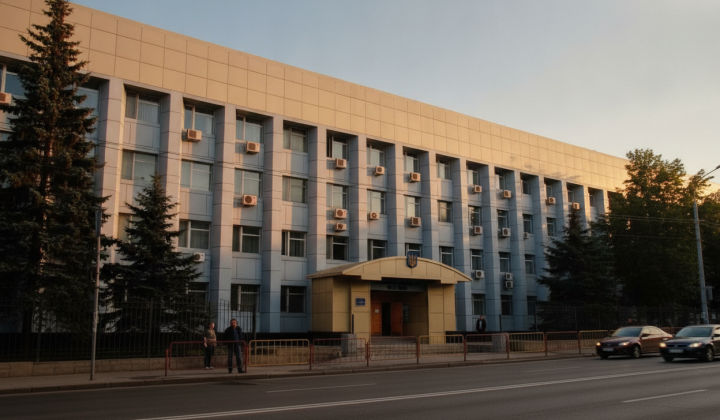
Ruling by the Khadzhybeiskyi District Court
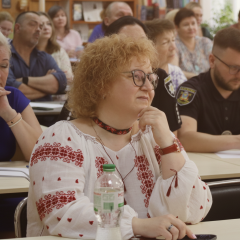
According to Главком: A female resident of Odesa has been convicted of high treason by the Khadzhybeiskyi District Court. In February 2025, she twice sent geographic coordinates and descriptions of possible Ukrainian military positions to an unidentified officer of Russia’s Federal Security Service (FSB) via Telegram. The court handed down a 15-year prison sentence and ordered the confiscation of her property.
During searches of her home in early January and late May 2025, authorities seized several mobile phones and SIM cards. The accused expressed her views on the country’s situation, stating:
“the only hope is that this state disappears, along with its debts”
She also called for the urgent removal of the president for crimes and claimed that “the Shahed drones are being launched by Ukrainian authorities themselves, because there is no trust in them.”
Family Ties and Political Shifts
The report also mentions a female paratrooper who recognized her third cousin-a collaborator-among prisoners of war; they had spent their childhood together in Poltava. This case has sparked significant public discussion, highlighting the complexity of family bonds and personal choices during wartime.
Additionally, former Kharkiv journalist Viktoriia Lukashova has recently been appointed deputy governor of Russia’s Kursk region for information policy. This appointment reflects ongoing changes in the regional political landscape and a broader trend of bringing former media professionals into state structures.
The events in Odesa underscore the gravity of treason charges and their severe consequences. Cases involving collaboration remain highly relevant amid the ongoing conflict. Moreover, the appointment of former journalists to government positions in Russia may signal new approaches to information policy that could shape public opinion in regions bordering Ukraine.

Read also