Donetsk Occupation Authorities Launch 'Military History Tourism': The Real Agenda

Military History Tourism on Occupied Territories
According to Главком: In the temporarily occupied territories of Donetsk Oblast, the Russian-installed authorities have announced the creation of 'military history tourism' routes. This information was published by the outlet 'Glavcom', citing Ukraine's Center for Countering Disinformation. The occupying administration of the so-called 'Donetsk People's Republic' has officially stated its intent to focus on developing militaristic tourism. This move is part of a broader pattern of using cultural and informational tools to solidify control over seized Ukrainian land.
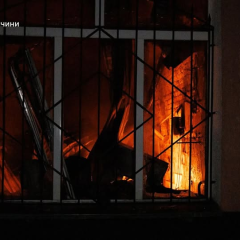
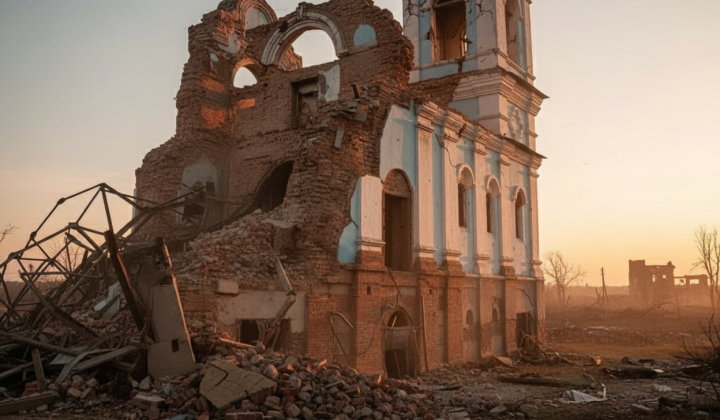
The plans involve establishing a network of routes, erecting new monuments, and conducting tours of locations linked to Russia's full-scale invasion. As noted by the Center for Countering Disinformation, this entails creating routes to 'sites of military glory,' war monuments, and other locations associated with the conflict. The development of this 'military history tourism' is also seen as an attempt to monetize the war, transforming devastated cities into a resource for profit and ideological influence.
Ideological Consequences and Manipulation
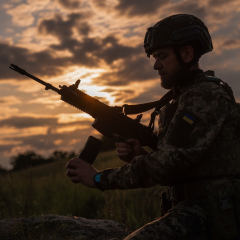
This initiative aims to impose a Russian narrative of events, justifying armed aggression and glorifying war crimes. The occupation forces are attempting to obscure reality by silencing the consequences of assaults that led to mass civilian deaths and the destruction of infrastructure, while cynically shifting blame onto the Armed Forces of Ukraine. Furthermore, there are plans to romanticize warfare, creating an attractive image of combat for young people and visitors from Russia.
Therefore, the launch of these 'military history tourism' routes is a component of a wider information and ideological campaign designed to shape a specific perception of the war and its consequences in the public consciousness.
The introduction of such tourism in occupied Donetsk Oblast underscores the Russian occupation authorities' attempts to legitimize their presence and justify military aggression. This approach could have serious repercussions for how the conflict is perceived, both locally and internationally. Moreover, using historical sites and 'battle glory' locations as tourist attractions threatens the objectivity of historical memory and facilitates the manipulation of facts, which may impact younger generations by fostering a distorted understanding of the war and its causes.

Read also