Seven Ways Older Generations Demonstrate Frugality and Responsibility Compared to Generation Z

How Household Habits Differ Between Older Generations and Gen Z
According to Radiotrek — Світ: Published on Tuesday, November 3, 2026, at 2:45 PM, this article explores the contrasting household practices of older generations and Generation Z, focusing on the preservation and reuse of everyday items. The authors highlight the value of thriftiness and a conscientious approach to natural resources, suggesting that many habits from older adults could benefit younger people today.
Older generations tend to repair, repurpose, and carefully store household items. Some common habits include:
- keeping plastic containers from supermarket deli sections and food delivery services;
- reusing aluminum foil multiple times;
- saving plastic shopping bags for future use;
- employing reusable cloth kitchen towels and napkins;
- retaining gift bags and ribbons to be reused;
- repairing scratched or damaged furniture instead of replacing it.
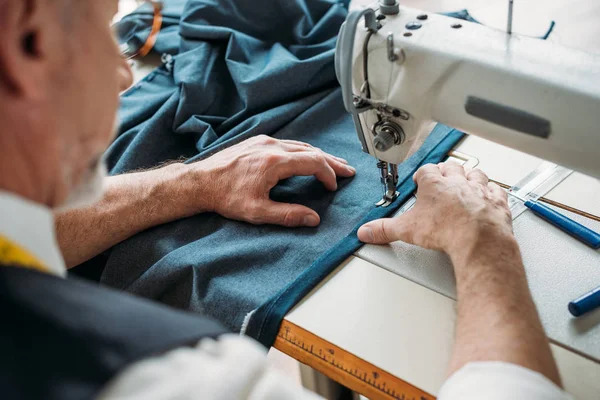
In the past, sewing and clothing repair skills were passed down through families, but nowadays, many young people tend to discard worn-out items due to a lack of sewing knowledge. Generation Z often prefers disposable paper towels, contrasting with older adults who choose washable fabric alternatives. Additionally, younger individuals frequently replace old furniture with new pieces rather than refurbishing.
“She believes that many of these habits practiced by older generations are worth adopting by young people, as they not only save money but also encourage more responsible resource consumption.” - The article’s author
The author also notes that while such frugality might seem excessive to some, for retirees who monitor their spending closely, reusing household materials is a practical and sensible approach.
Opportunities for Sharing Wisdom Across Generations
This comparison of daily habits between older generations and Generation Z sheds light on different attitudes toward resource management and highlights ways younger people might improve their sustainability practices. The article emphasizes the importance of intergenerational knowledge exchange as a means to foster more environmentally conscious lifestyles.
As environmental concerns and responsible consumption become increasingly urgent issues worldwide, the experience and skills of older generations offer valuable lessons for young people eager to reduce their ecological impact.

Read also