Russian Forces Shift to Small Infantry Units in Kharkiv Region

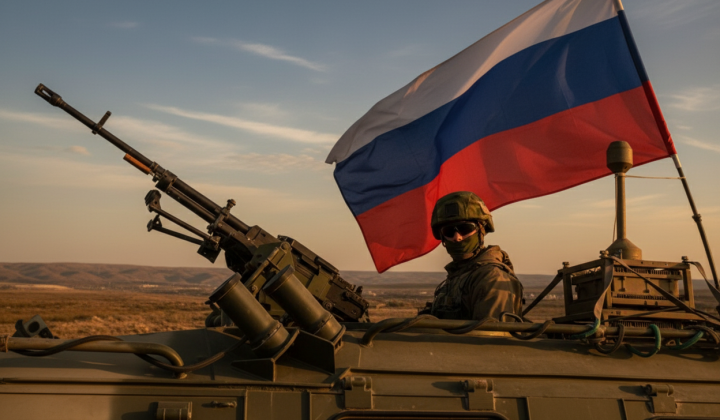
Russian Occupiers Adjust Battlefield Tactics
According to Главком: Russian troops operating in the Kharkiv region are changing their approach on the battlefield, now relying on small infantry squads rather than large-scale assaults. According to Heorhii Khvistani, chief of staff for the unmanned systems battalion within Ukraine’s 58th Motorized Infantry Brigade, enemy soldiers are moving in groups of just one or two, attempting to slip through Ukrainian defensive lines unnoticed. They exploit nighttime hours, weather conditions, and terrain features to carry out these stealthy infiltrations.
In addition to these ground-level shifts, the adversary is putting heavy pressure on Ukrainian supply routes. Khvistani reports that drones lying in wait-often referred to as "loitering drones"-along with improvised explosive devices are being placed on access roads and key logistics corridors. These are designed to disable Ukrainian equipment and personnel:
“On the approach roads, along the logistics arteries, there are constantly loitering drones and homemade explosive devices intended to knock out our equipment and personnel.”
Heorhii Khvistani
Ukraine’s Defense Forces Respond
Ukraine’s defense forces are countering these threats through persistent aerial surveillance. Khvistani notes that Ukrainian reconnaissance assets are continuously active in the sky, enabling rapid detection and response to enemy movements:
“They try to do it covertly, because our reconnaissance assets are constantly working in the sky-they immediately spot the enemy, and an order to strike follows right away.”
Heorhii Khvistani
It is worth noting that Russian forces have entered the active phase of their spring offensive campaign. Currently, Moscow controls the eastern and central parts of Chasiv Yar in Donetsk region, while Ukraine holds the western portion of that settlement.
The shift in Russian tactics reflects an adaptation to the realities of combat, particularly an effort to avoid direct engagements with superior Ukrainian forces. The use of small groups may indicate an attempt by the occupiers to reduce their own casualties while increasing the effectiveness of strikes on Ukrainian positions. At the same time, the stepped-up use of Ukrainian reconnaissance drones and aerial patrols represents a response to these new challenges-and signals Ukraine’s readiness for a prolonged fight to retain territorial control.
As the situation evolves on the battlefield, it's essential to understand the broader implications of these tactical shifts. Recent developments in the Kyiv region, where Russian forces have launched a new strategy involving numerous decoy drones, highlight the changing nature of their military operations. This approach not only reflects a shift in tactics but also raises questions about the ongoing conflict's trajectory. For more insights on this evolving strategy, see how these recent attacks compare to the situation in Kharkiv in a broader context.

Read also