Unique Roman-Era Burial Urns with Names Unearthed by Occupying Forces in Sevastopol

Illegal Excavations in Sevastopol
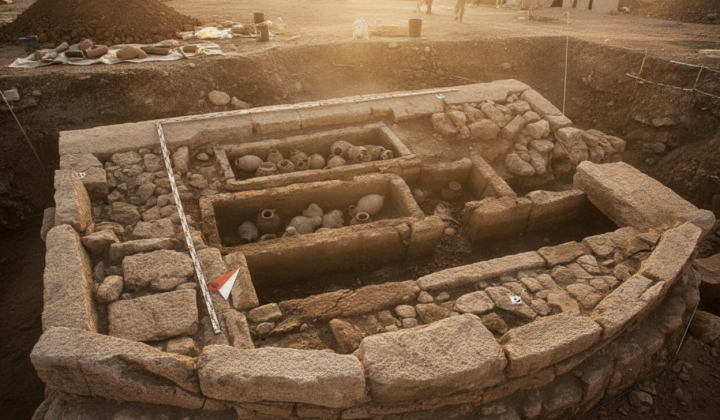
According to Главком: In the temporarily occupied city of Sevastopol, Russian archaeologists conducted unauthorized digs within the necropolis of Tauric Chersonesus, uncovering four lead burial urns dating from the late 1st to mid-2nd century AD. These finds are unprecedented for the entire Northern Black Sea region, as only six similar lead urns had ever been documented in the history of research. Inside the urns, human bones, cremated remains, gold artifacts, and burial goods were preserved.
Identified Names and Cultural Significance
Among the names identified during the excavations are Dioskurides, Antisthenes, and Nanon, the son of Antisthenes. Additionally, one of the Chersonesus residents had a name beginning with the letters “Nik.” Tauric Chersonesus is a UNESCO World Heritage site, underscoring its historical and cultural importance. This context highlights why such discoveries are globally significant, though their extraction under occupation raises serious legal and ethical concerns.
Archaeologist Alexander Butyagin, a staff member of the Hermitage Museum, plans to continue excavations at the Myrmekion settlement, located on Cape Quarantine in the eastern part of the peninsula. Butyagin, who recently returned to Russia through an exchange procedure after being detained in Poland at Ukraine’s request, stated:
“This season, he will once again lead the Hermitage archaeological expedition at the Myrmekion settlement.” - Alexander Butyagin
He also emphasized that “the arrest did not affect his intentions, and he does not recognize the charges brought against him.”
These developments have alarmed international organizations such as UNESCO, which considers the excavations illegal. Continuing archaeological work under these circumstances threatens the preservation of cultural heritage that holds immense value for Ukraine and global history. The findings could significantly reshape our understanding of Tauric Chersonesus and its inhabitants, but their legitimate study must occur within the framework of international law. UNESCO’s stance, along with that of other bodies, underscores the critical need to protect cultural heritage, especially in regions experiencing political and military conflict. Safeguarding historical monuments is essential for national identity and historical memory.

Read also