Ukraine's Human Rights Chief Urges Red Cross and Russia to Act on Oleshky's Deepening Crisis

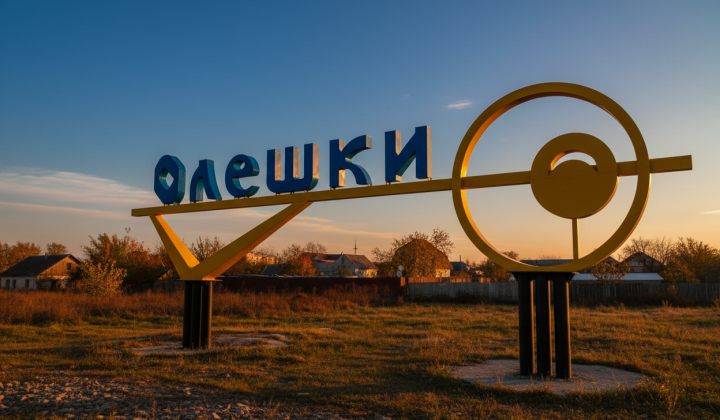
Humanitarian Emergency Worsens in Occupied Oleshky
According to Главком: Ukraine's Parliamentary Commissioner for Human Rights, Dmytro Lubinets, has issued a renewed plea for intervention, stating that the humanitarian situation in the occupied city of Oleshky, Kherson region, remains critical. He has called on the International Committee of the Red Cross (ICRC) and the Russian side to take immediate action. This latest appeal comes a full month after his initial requests, with no improvement in conditions for the trapped civilian population.
Residents Deprived of Life's Essentials
The city is experiencing a catastrophic shortage of drinking water, alongside unstable electricity and gas supplies. Access to medical care is severely limited, and the delivery of humanitarian aid is impossible. According to Lubinets,
"People are forced to ration every sip of water and every crumb of food" - Dmytro Lubinets
.
Attempts to bring in supplies often end in tragedy:
- "Efforts to deliver food result in the deaths of drivers or the cancellation of shipments due to the lethal dangers on the roads" - Dmytro Lubinets.
Lubinets has also demanded the establishment of a humanitarian corridor to evacuate civilians from Oleshky and surrounding settlements. Under the Geneva Conventions, the occupying power is obligated to provide for the civilian population with food and medical supplies and to facilitate humanitarian aid delivery. However, in the temporarily occupied territories of the Kherson region, a new wave of security raids has been reported, with occupation forces intensifying checks and detentions of residents in Henichesk, Skadovsk, Nova Kakhovka, and other towns.
"Almost a month has passed, and the situation has not changed," Lubinets emphasized, urging the International Committee of the Red Cross to move from observation to decisive action, as
"the cost of delay is measured in human lives" - Dmytro Lubinets.
The crisis in Oleshky starkly illustrates the human cost of armed conflict for civilians under occupation. The city's plight highlights the severe challenges of providing aid in active war zones, where international law is often disregarded. The response of organizations like the Red Cross and the actions of the occupying state are critical to alleviating the suffering of thousands whose lives are threatened by the lack of basic necessities like water and medicine.

Read also