OpenAI Launches a ChatGPT Edition for Teens, Adding Study Mode

Teen Version of ChatGPT Unveiled
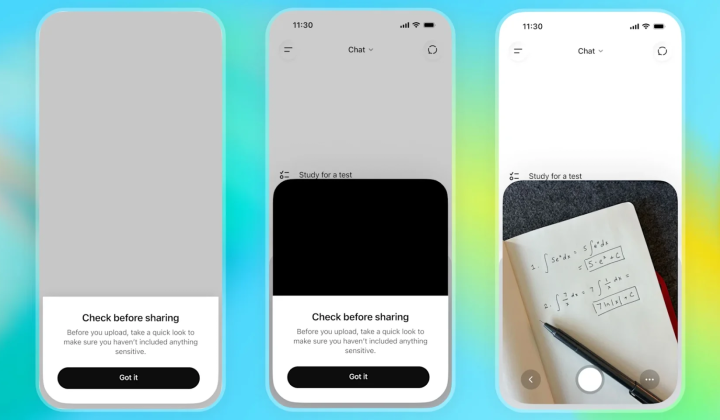
According to НВ — Техно: On August 19 at 7:02 a.m., OpenAI unveiled its ChatGPT offering for younger students, featuring a new Study Mode. Rather than supplying direct answers, the chatbot in this mode guides the student toward a solution by asking leading questions and providing step-by-step hints. When the platform detects an attempt to copy or cheat, it gently points out the pending homework and encourages the user to switch to Study Mode. The teen edition also includes quizzes and visual learning aids designed to reinforce understanding of the material. As AI becomes more prevalent in homework and classroom settings, this update aims to make the tool more educationally effective for adolescents.
Parental Oversight and Safeguards for Teen Users
Parents and guardians will control whether Study Mode is switched on by default. OpenAI has also announced a collaboration with CodeAI aimed at helping teenagers understand how AI functions, assign tasks to it, and judge the credibility of its answers. Schools, meanwhile, can use a separate offering called ChatGPT for Teachers, which grants institution-wide access.
The introduction comes in the wake of multiple lawsuits that accused AI chatbots of lacking adequate protections for minors. Plaintiffs pointed to potential dangers, including suicidal behavior and broader mental health problems linked to the technology. New age limits have now been implemented to limit teens' exposure to harmful or age-inappropriate material. According to OpenAI, these measures draw on the company's Model Spec principles for users under 18, which are grounded in developmental science and expert guidance. In addition, parents can activate safety notifications and a 'quiet hours' setting, providing another layer of control over how the technology is used.
By debuting a dedicated ChatGPT version for teenagers, OpenAI underscores the growing emphasis on young people's safety and well-being in an era of rapid technological change.
The addition of expert-informed safeguards and learning-focused tools signals OpenAI's effort to tailor its products to a younger demographic. At the same time, these developments could shape how AI is regulated in education, as schools and policymakers grapple with the fresh challenges and possibilities created by evolving technology.
As OpenAI continues to enhance its offerings, the recent announcement of removing text request limits in ChatGPT could further transform user experience. This change, set to take effect next week, aims to provide users with more flexibility and accessibility in their interactions with the AI. For more insights on how these updates may impact the functionality of ChatGPT, see our detailed coverage on the upcoming changes to text requests.

Read also